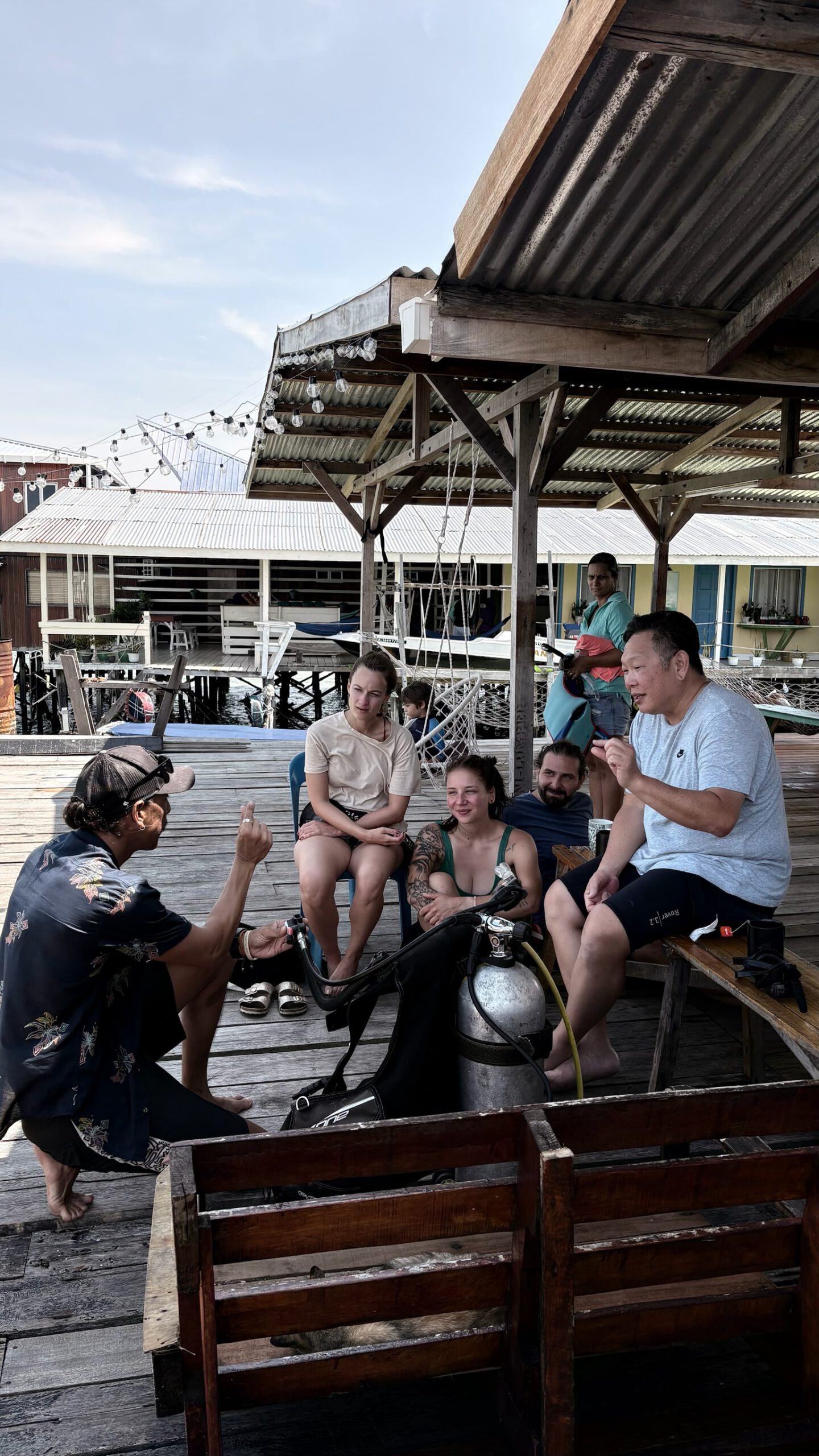
What’s a PADI Open Water Course Really Like in Mabul?
Thinking about getting your scuba diving licence but not quite sure what it really involves? I get it. Before I did my PADI Open Water Course, everything felt a bit intimidating. The equipment looked complicated, the theory sounded technical, and the idea of breathing underwater for more than a few seconds felt like something only pros could do.
But honestly, it turned out to be much more doable than I expected. And if you’re going to learn how to dive, Mabul is one of the best places in Malaysia to start. The warm water, the calm sea, and the friendly instructors make all the difference.
In this post, I’ll walk you through exactly what the course looks like from start to finish. If you’ve ever dreamed of exploring the underwater world but weren’t sure where to begin, this guide is for you.
What Is the PADI Open Water Course?
Let’s start with the basics. What exactly is the PADI Open Water Course?
If you’ve been looking into scuba diving, you’ve probably seen this name come up quite a lot. It is the most popular beginner-level certification in the world. Once you complete it, you can dive confidently down to 18 metres in any part of the world.
This post is especially for those of you who are curious about trying the course but still unsure where to go, or whether it’s something you can even do. I’ve been there too. And I can honestly say, yes, you absolutely can.
You do not need any previous diving experience. You just need to be in basic good health, able to swim a short distance, and float with ease. It really comes down to building water confidence. Your instructor will be with you the whole time, helping you feel calm and safe throughout.
Here’s what is usually included in the course:
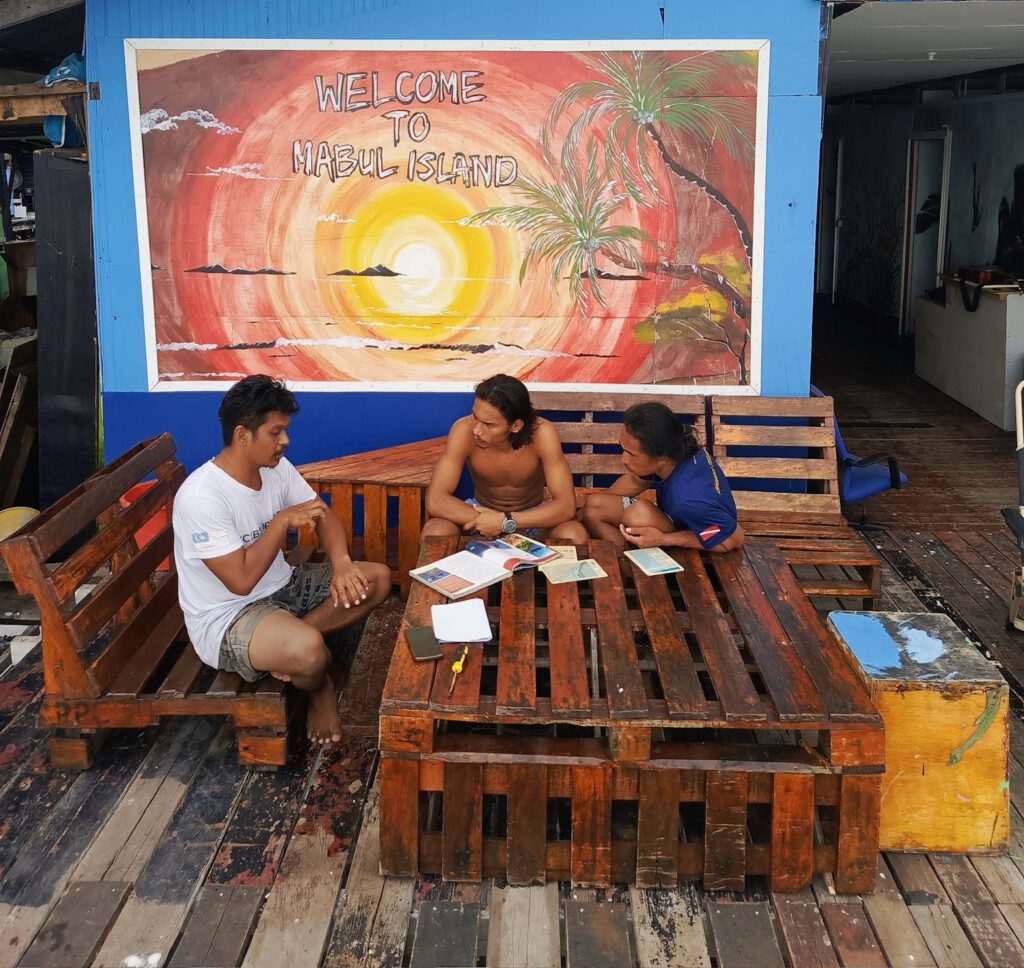
- A few short theory sessions, either online or in person
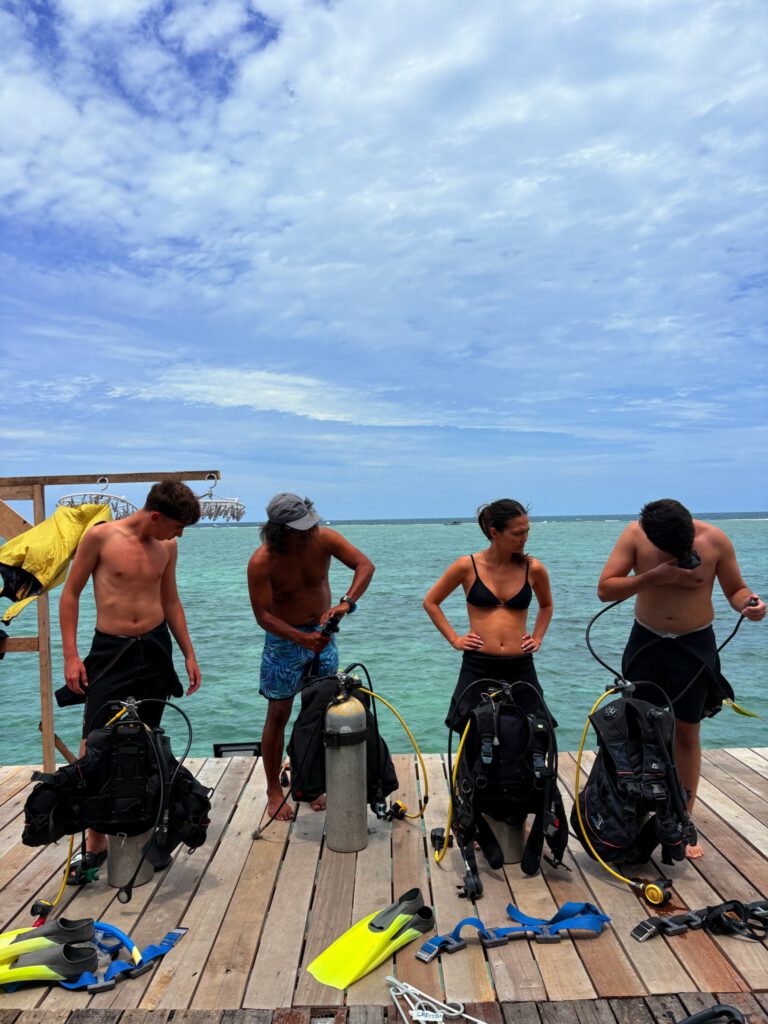
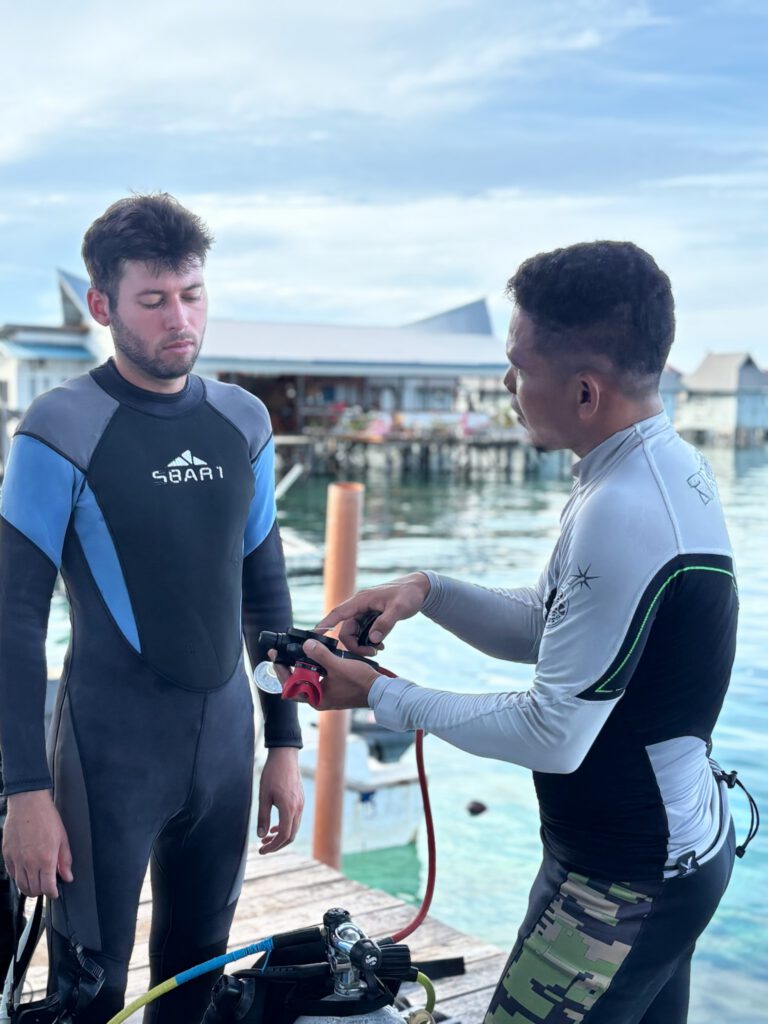
- Practice sessions in shallow water where you learn how to use the equipment
- Four open water dives in the sea
- Simple safety and comfort skills you’ll use on every dive
- A lifetime certification that allows you to dive anywhere in the world
And yes, children as young as 10 years old can take part too.
Why Choose Mabul?
Mabul is a small, peaceful island surrounded by coral reefs, and that alone already makes it a lovely place to learn scuba diving. But what really sets it apart is how beginner-friendly everything feels once you’re there.
The sea around Mabul is calm and shallow, which makes it easier for first-timers to learn without having to worry about strong currents or sudden drops. The water is usually clear, especially in the morning, so you’ll be able to see everything around you while practising. Because the weather is warm throughout the year, you won’t need thick wetsuits, and that helps keep things simple and comfortable.
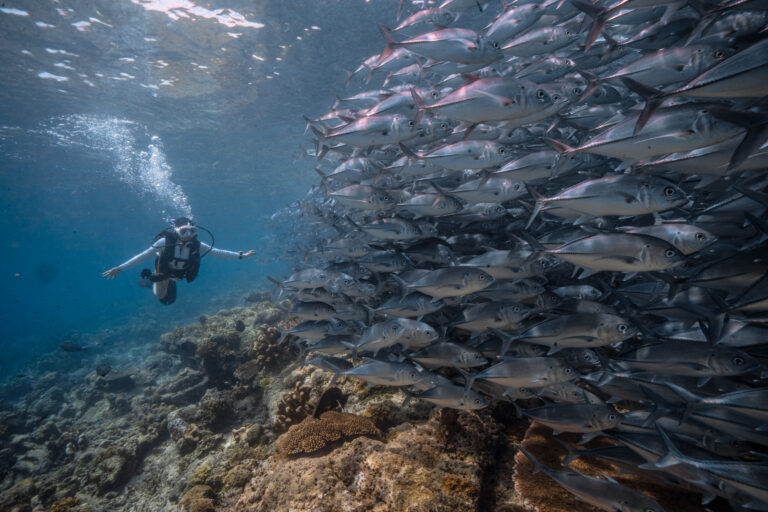
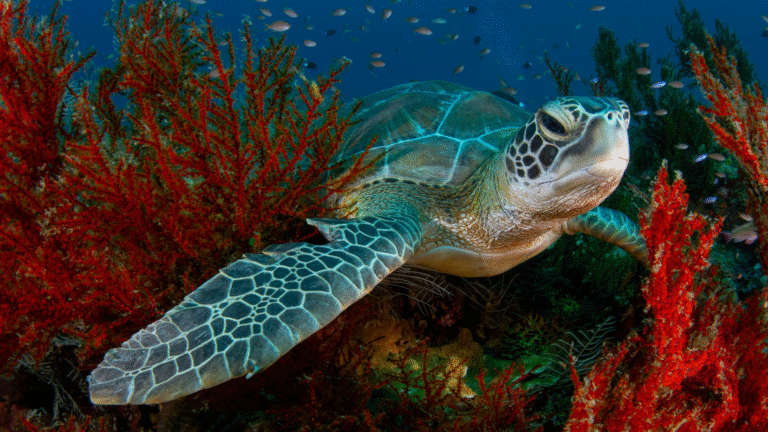
What really makes it special, though, is the marine life. It’s not unusual to see turtles swimming by or reef fish darting between soft corals. If you’re lucky, you might even spot a cuttlefish or an octopus hiding in plain sight.
The dive instructors in Mabul are friendly and welcoming. Many of them are locals who know the reefs like the back of their hand and are used to helping beginners get comfortable in the water. The pace on the island is slow and easygoing. There’s no traffic, no noise, just sea breezes, blue skies, and sandy paths.
If you’re worried about being in a big group or feeling rushed, don’t be. Most of the dive centre in Mabul are small and personal. They’re used to working with first-timers and often adjust to your pace, which makes the whole experience feel less like a course and more like learning from a friend.
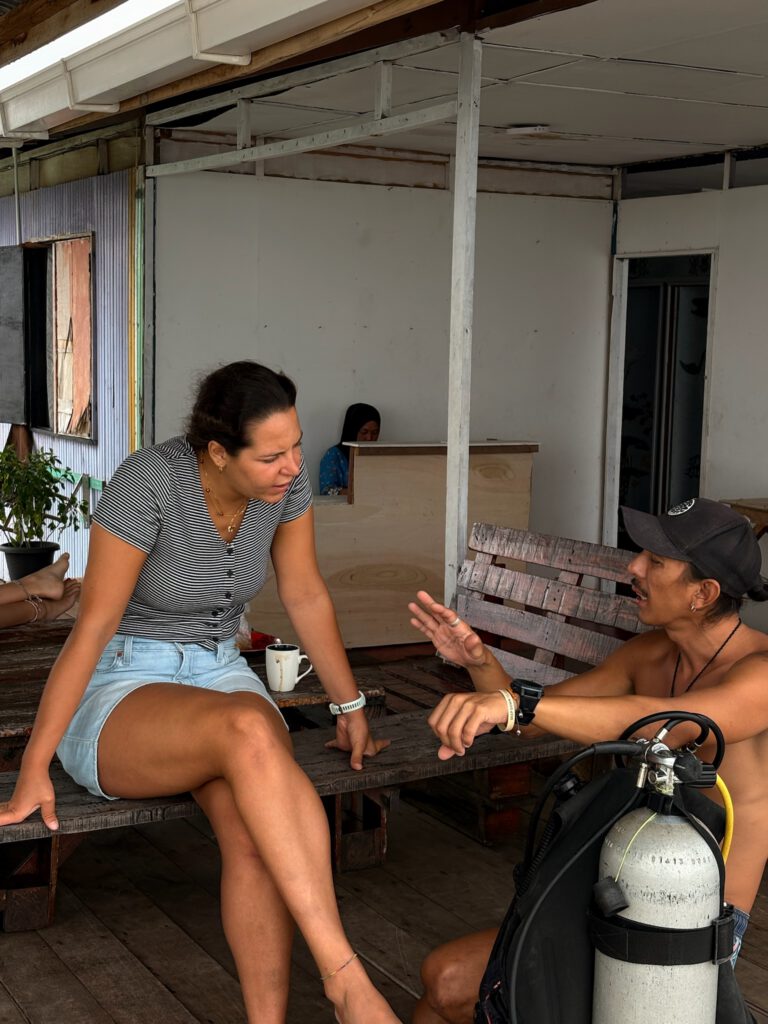
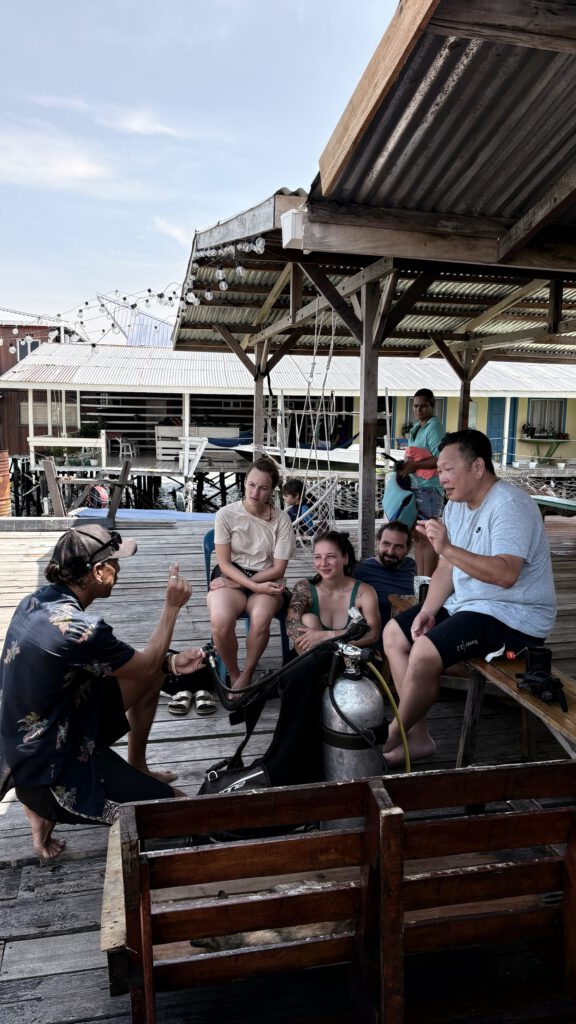
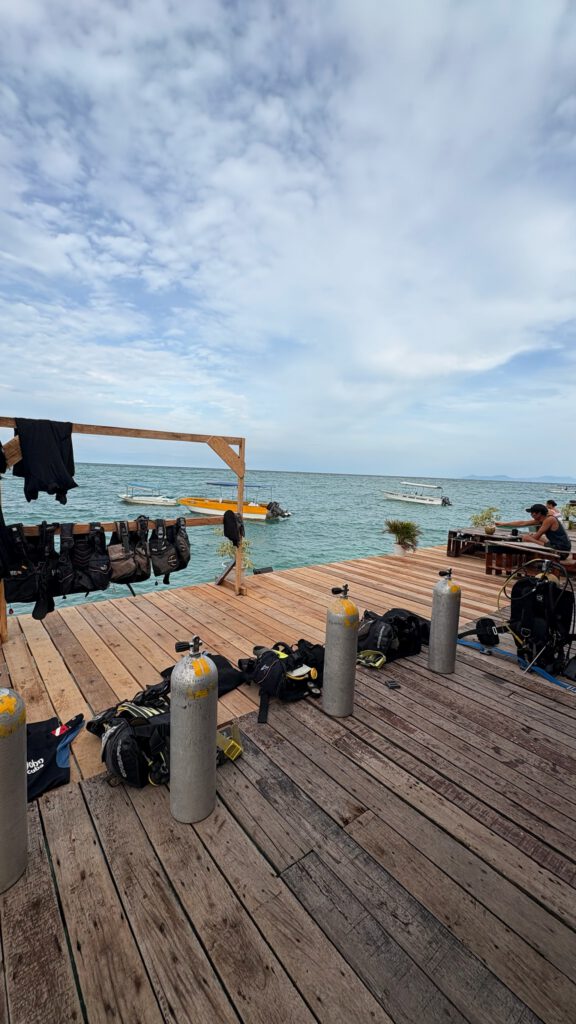

How the Course Works, Step by Step
If you’re wondering what your days will actually look like during the Open Water Course, here’s a simple breakdown. You can complete everything in just three or four days, depending on your schedule and whether you’ve finished the theory in advance.
Day One: Welcome to Mabul
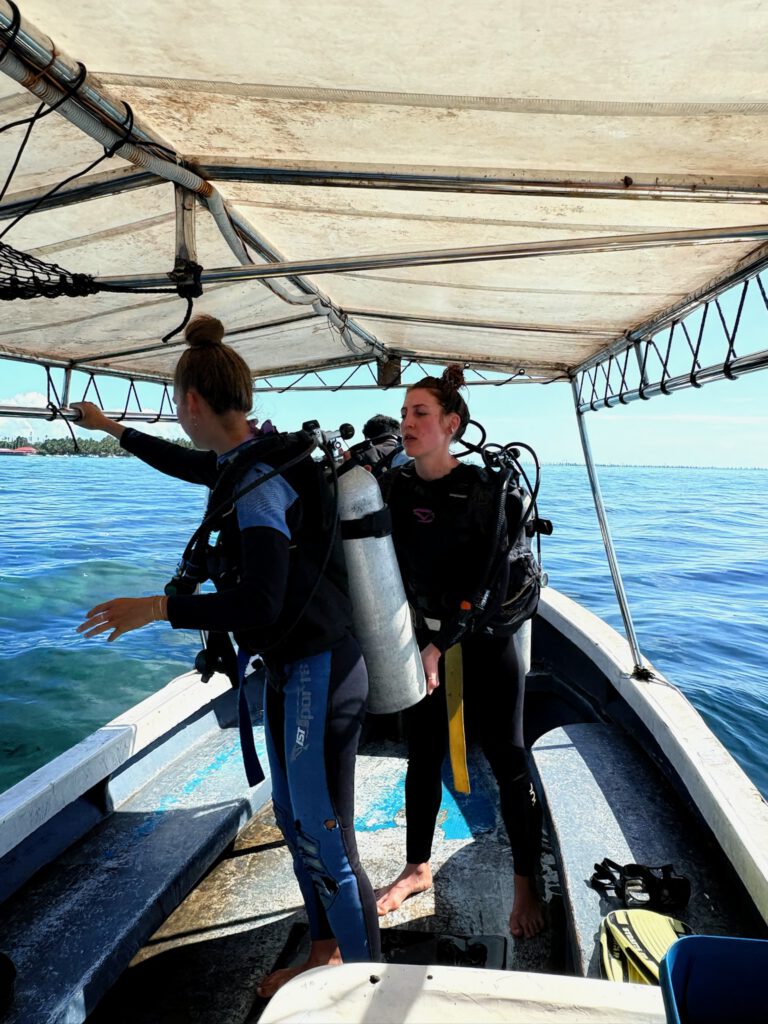
Your journey starts with a boat ride from Semporna to Mabul, usually in the morning. Once you arrive, the dive centre team will greet you and walk you through everything you need to know about your stay and the course. After checking into your room, you’ll begin your theory session. This covers the basics like how diving works, what to expect underwater, and how to stay safe. You’ll also get fitted for your gear, which includes your mask, fins, wetsuit, and BCD.
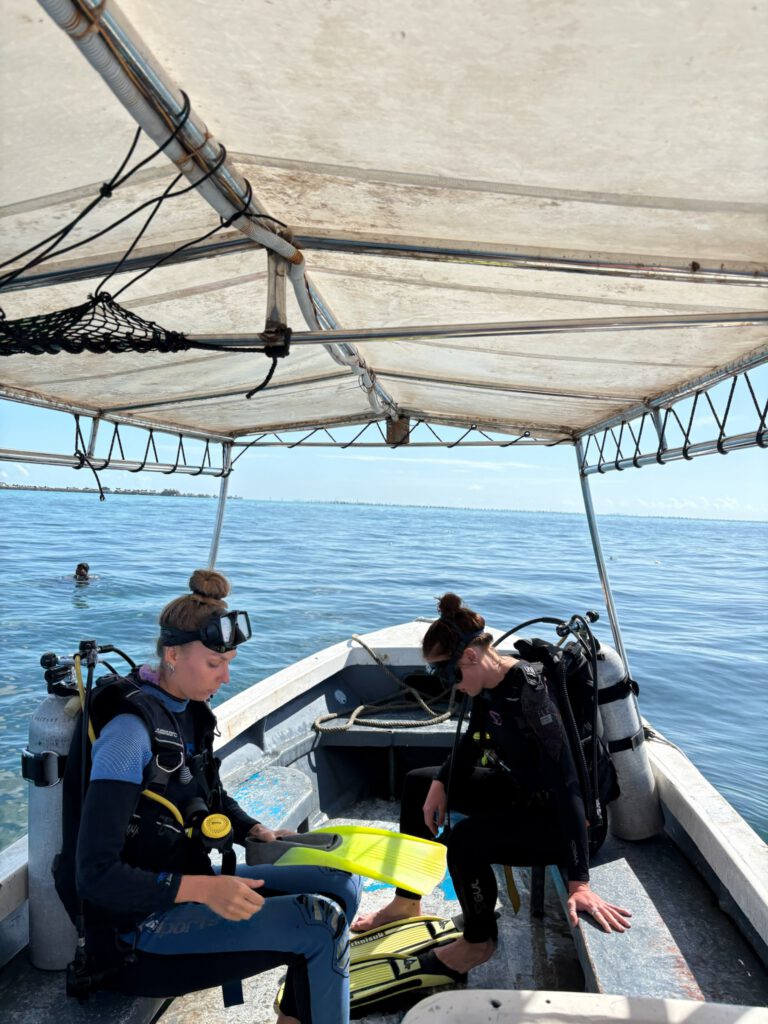
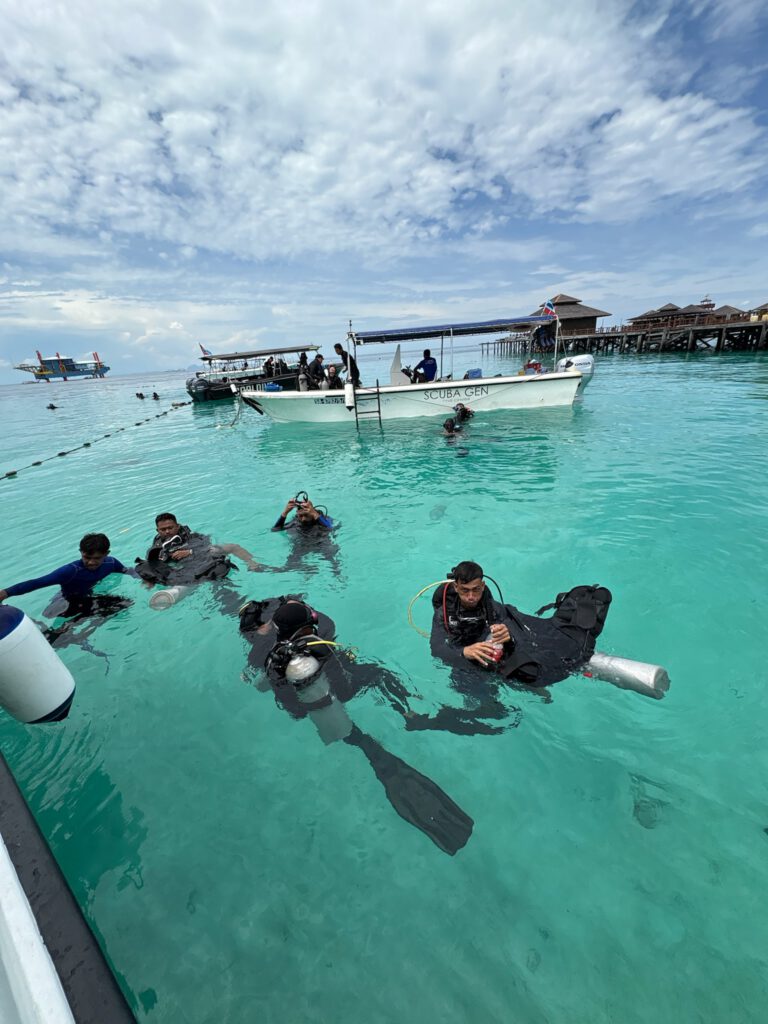
Once that’s sorted, it’s time to hit the water for your first two adventure dives. These are part of your training and help you get used to diving in real conditions.
Day Two: Skills and Dives Continue
The second day is packed with more diving. After breakfast, you’ll do your third and fourth adventure dives. These dives build on what you learned the day before, and you’ll get more confident with every session. You’ll also enjoy lunch and dinner on the island, giving you time to relax and chat with your instructor or new dive buddies.
Day Three: Certification and Goodbyes
After breakfast, you’ll check out and prepare for your return boat to Semporna around midday. If you’ve completed all five required adventure dives, you’ll receive your certification — either a physical card or a digital one, depending on your dive centre. This certification allows you to dive independently (with a buddy) anywhere in the world, up to a depth of 18 metres.
You can view our full Open Water itinerary in Mabul here, with everything from daily dive plans to what’s included. It’s a simple, all-in-one package for beginners who just want to dive in and start.
What You’ll Actually Learn
You won’t just walk away with a certificate. You’ll leave with real skills that help you feel comfortable and confident underwater.
You’ll learn how to equalise your ears and mask while diving. You’ll practise floating calmly using your buoyancy, clearing water from your regulator and mask, and what to do in simple emergencies, like sharing air or making a safe ascent. You’ll also get used to diving with a buddy and navigating the underwater world with awareness.
You won’t be thrown into the deep end. Everything is taught one step at a time, and with each dive, it starts to feel more natural.
What It Feels Like Emotionally
To be honest, feeling nervous at the beginning is completely normal. That first day, especially when you’re trying to breathe through the regulator or clear your mask, can feel overwhelming. I remember struggling a bit during my first skill session and wondering if I could actually do this.
But once you relax into it, something shifts. The moment you float calmly above the reef and start to trust your body and the gear, it all begins to feel natural. You stop overthinking and start enjoying what’s around you.
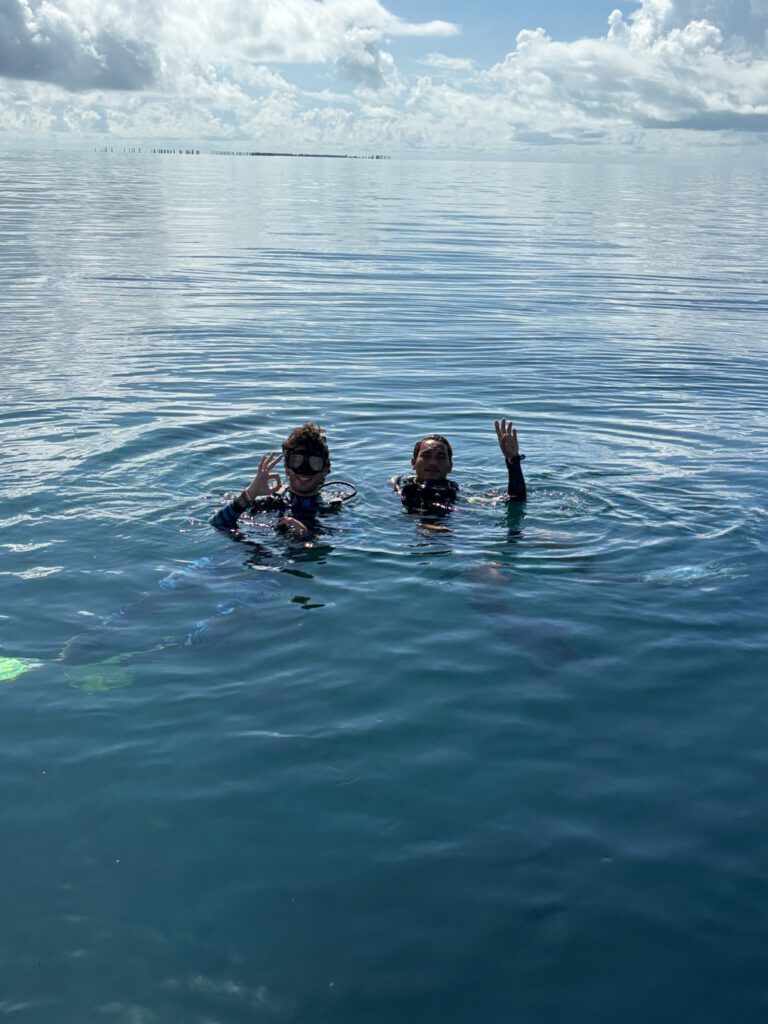
By the end of the course, it is more than just earning a licence. You walk away with confidence, a sense of calm, and that rewarding feeling of doing something you once thought was out of reach. What seemed impossible just a few days ago now feels like second nature.
What to Bring and How to Prepare
You really don’t need much to begin. Most dive centres will provide all the essential gear for the course.
Here are a few things you should pack:
- A swimsuit to wear under your wetsuit
- A towel and a set of dry clothes
- Reef-safe sunscreen to protect both your skin and the coral
- A notebook or mobile access if you’re doing the online theory
If you want to be extra prepared, consider bringing:
- Motion sickness tablets, especially for boat days
- A small dry bag to keep your phone and valuables safe
And one more important thing. Avoid taking any flights for at least 18 to 24 hours after your final dive. This helps your body adjust safely after being underwater.
Book Your Open Water Course with The Borneo Nomads
If you’re ready to get certified in one of the most beautiful dive spots in Malaysia, you’re in the right place. At The Borneo Nomads, we make it simple for beginners to learn comfortably, with clear guidance and calm waters.
We take care of the details for you. From your dive schedule to your equipment and instructor, everything is arranged. Just bring your curiosity, take a deep breath, and begin your underwater journey.
This post was written by Syarifah, from The Borneo Nomads team
We share stories from our own experiences and invite local voices to keep things real, helpful, and grounded in the places we know best.