What It’s Really Like to Climb Mount Kinabalu
You’ve probably seen those stunning summit photos. Climbers standing above the clouds as the sun rises over Borneo. But what is it really like to climb Mount Kinabalu?
Mount Kinabalu, located in Sabah, Malaysia, is one of the most iconic trekking experiences in Southeast Asia. Standing at over 4,000 metres, it attracts travellers from around the world who want to challenge themselves and enjoy the breathtaking view from Low’s Peak.
The great news is that you do not need to be an elite athlete to make it to the summit. With some preparation and a decent level of fitness, many first-time hikers complete the climb and call it one of the most rewarding experiences of their journey.
This guide will walk you through the entire experience, from start to summit, so you can decide if climbing Mount Kinabalu is the adventure you are looking for.

What You Need to Know Before the Climb
Climbing Mount Kinabalu is not something you can do on a whim. There are limited climbing slots each day, so it’s important to book your permits, mountain guide, and accommodation well in advance. Most people secure everything through an approved tour operator, which makes the process a lot smoother.
You do not need to be a seasoned hiker to reach the summit, but a decent level of fitness will make the experience more enjoyable. The trail is steep and long, so preparing your legs and stamina with some regular walking or stair climbing is a good idea. Mental preparation also helps. The climb can be tough at times, but knowing what to expect will keep your motivation strong.
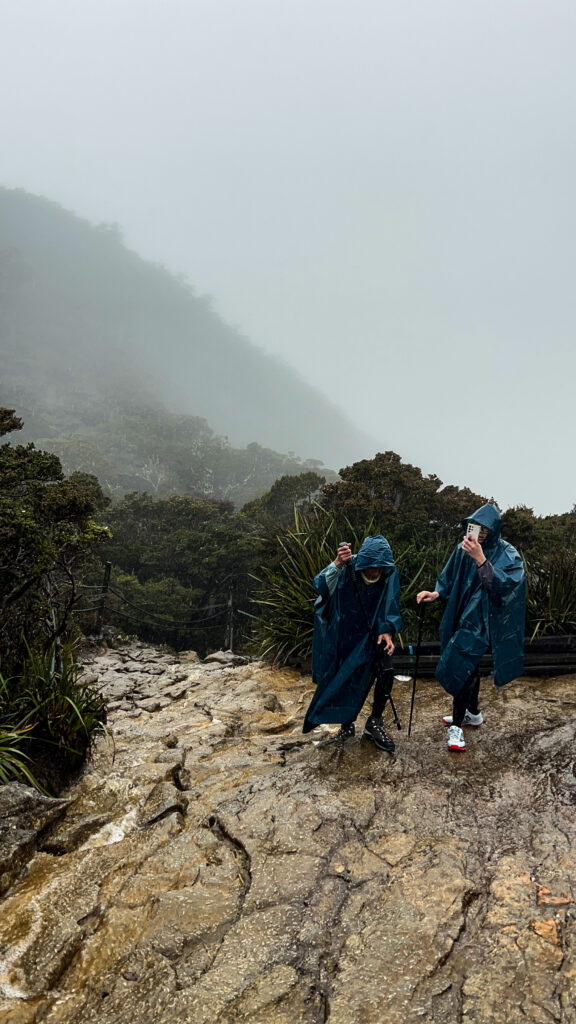
One thing that makes this climb unique is the altitude. As you go higher, the air gets thinner and colder. Some people feel this more than others, but pacing yourself and staying hydrated will help. Weather conditions can also change quickly, especially in the afternoon, so packing layers and waterproof gear is essential.
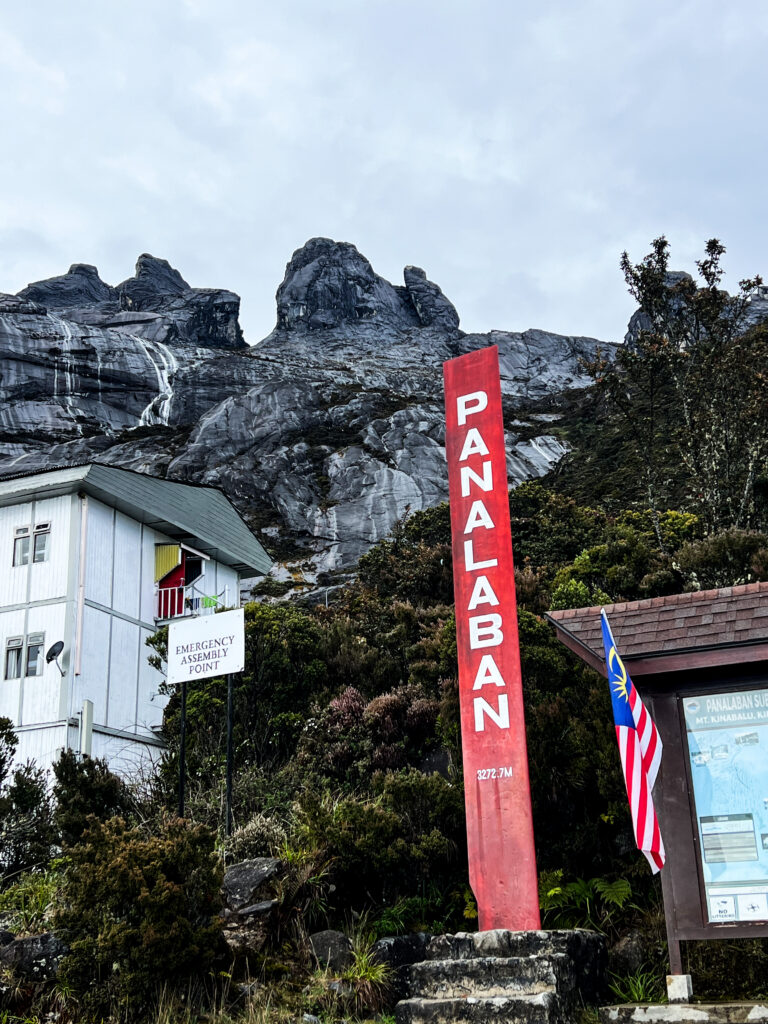
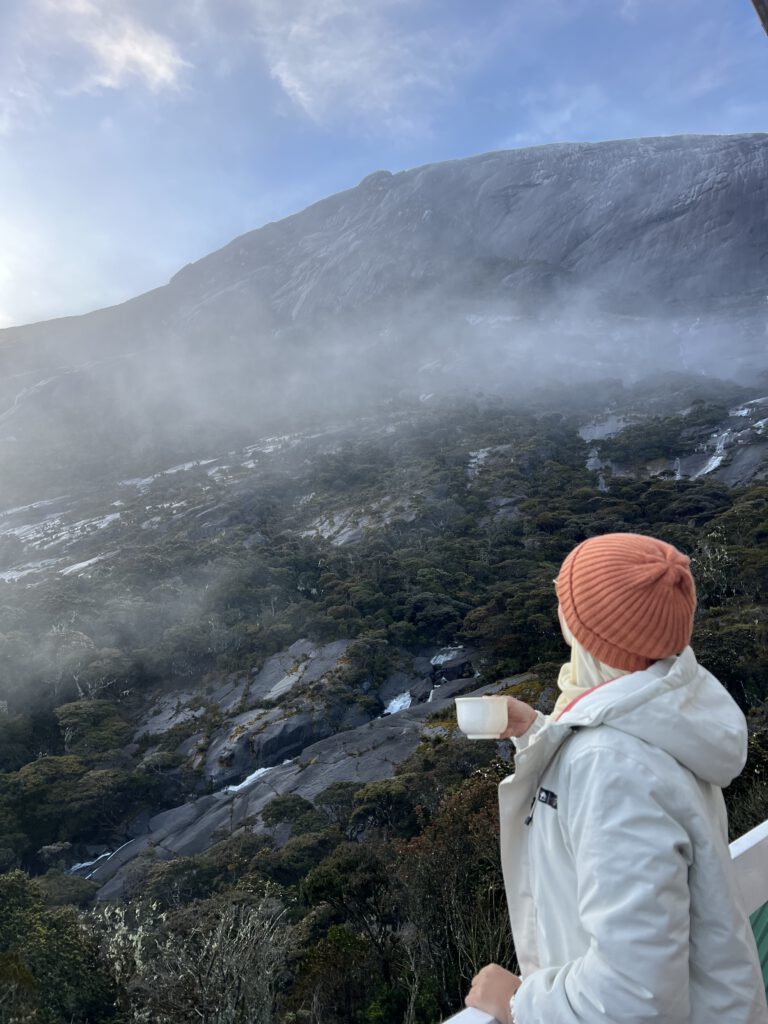
Most climbers spend the night at Panalaban. It is the main accommodation stop before the summit push. The views from here are already incredible, and this is where you will rest, eat, and adjust to the altitude before the final early morning climb.
If you are wondering how to prepare for Mount Kinabalu, start with simple cardio training and give yourself time to build confidence. This is not a race, and thousands of first-time climbers have successfully made it to the top. With the right planning, the summit is well within reach.
Day One: Starting the Trek to Panalaban
Your Mount Kinabalu adventure usually begins at Timpohon Gate, which is the most commonly used starting point today. The trail from here to Panalaban stretches over six kilometres, with a steady uphill climb that takes you through changing landscapes and rising altitudes.
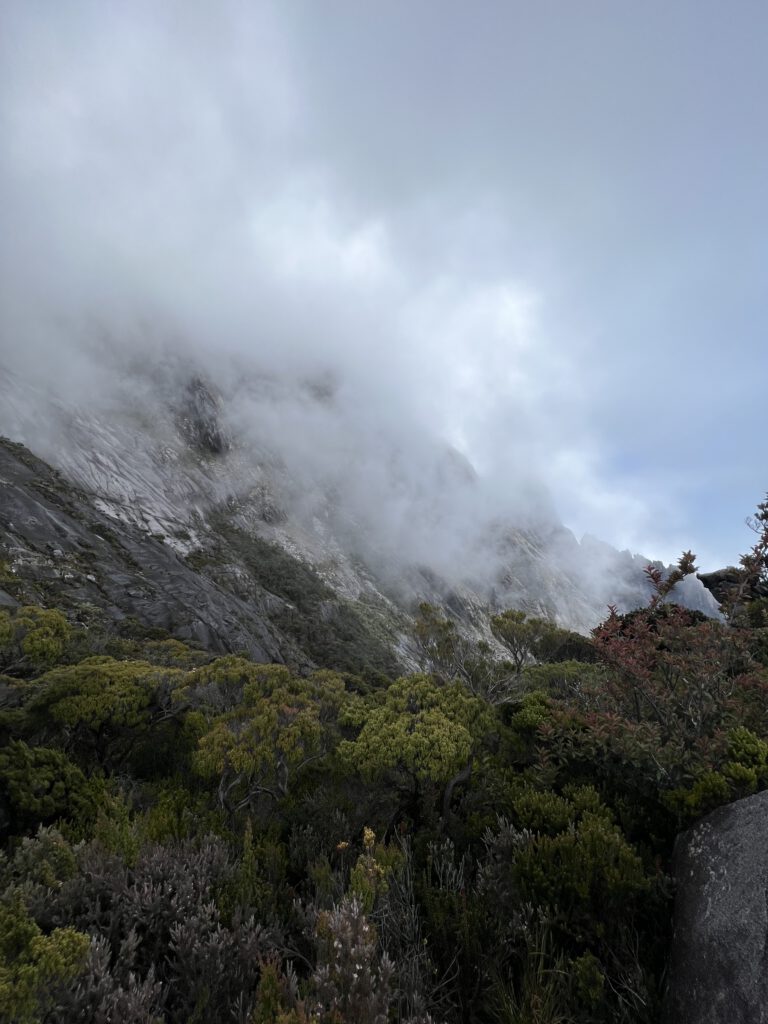
Along the way, you will gain over 1,300 metres in elevation. The trail winds through misty rainforest, mossy stretches, and rugged granite paths. Expect a mix of well-built steps, wooden boardwalks, and steeper sections that test your stamina without being too overwhelming.
Most groups move at a manageable pace, guided by experienced mountain guides who are used to all fitness levels. There are regular rest stops and simple huts where you can take breaks, refill water, enjoy packed meals, and snap a few photos of the forest views.
After several hours on the trail, you will reach Panalaban, the overnight resting point before summit day. The lodges here are basic but comfortable, offering bunk beds, warm meals, and a welcome chance to rest.


Day Two: The Early Morning Summit Push
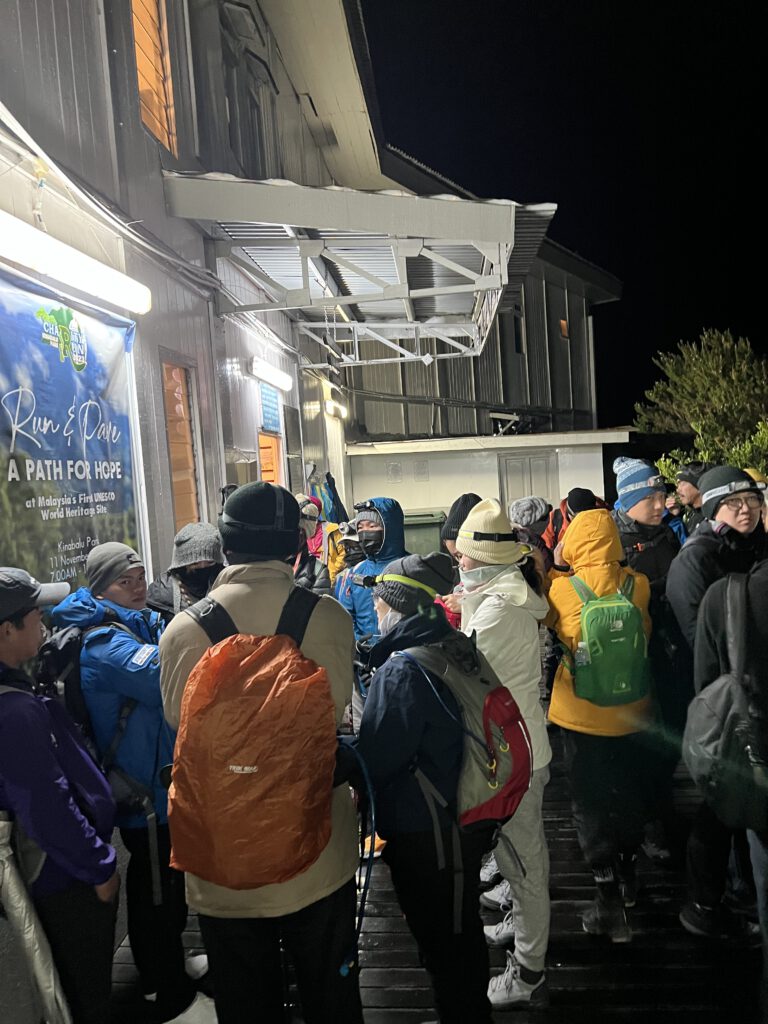
The final stretch of your Mount Kinabalu climb begins very early. Most climbers wake up around two in the morning to get ready for the summit. The air is cold and crisp at this altitude, so layering up with warm clothing, gloves, and a beanie is important. A light breakfast is usually provided at the lodge to help fuel the climb.
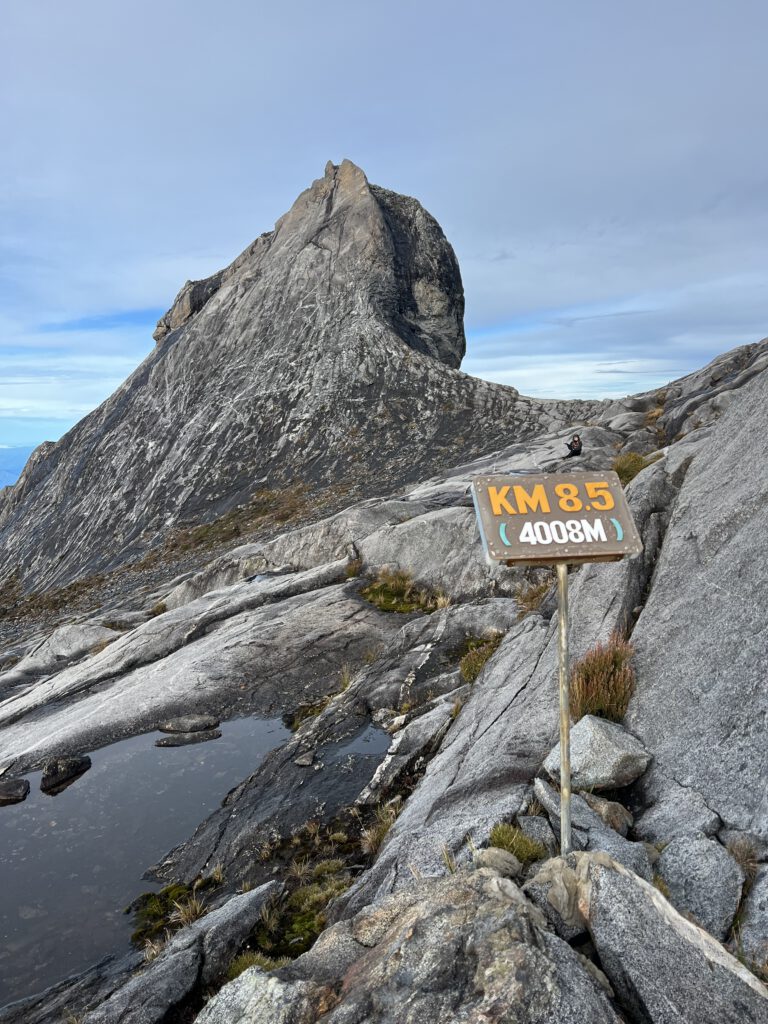
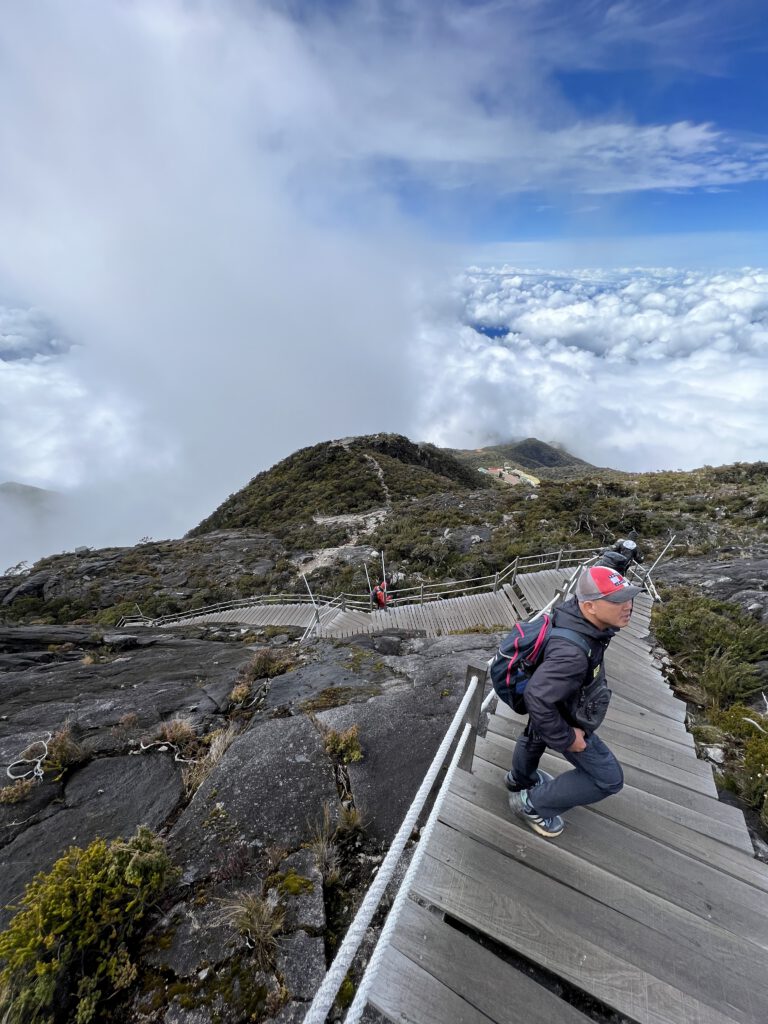
With headlamps switched on, you begin the slow and steady ascent in darkness. The trail starts with a steep climb, and soon transitions into wide granite rock faces. Safety ropes are fixed along the steeper sections to help you balance and pull yourself up. The pace is often quiet and focused, as climbers concentrate on each step while adjusting to the thinner air.
Altitude and fatigue become more noticeable as you gain height. Breathing feels slower, and your legs might feel heavier than the day before. But with patience and encouragement from your guide and fellow climbers, you keep moving forward.
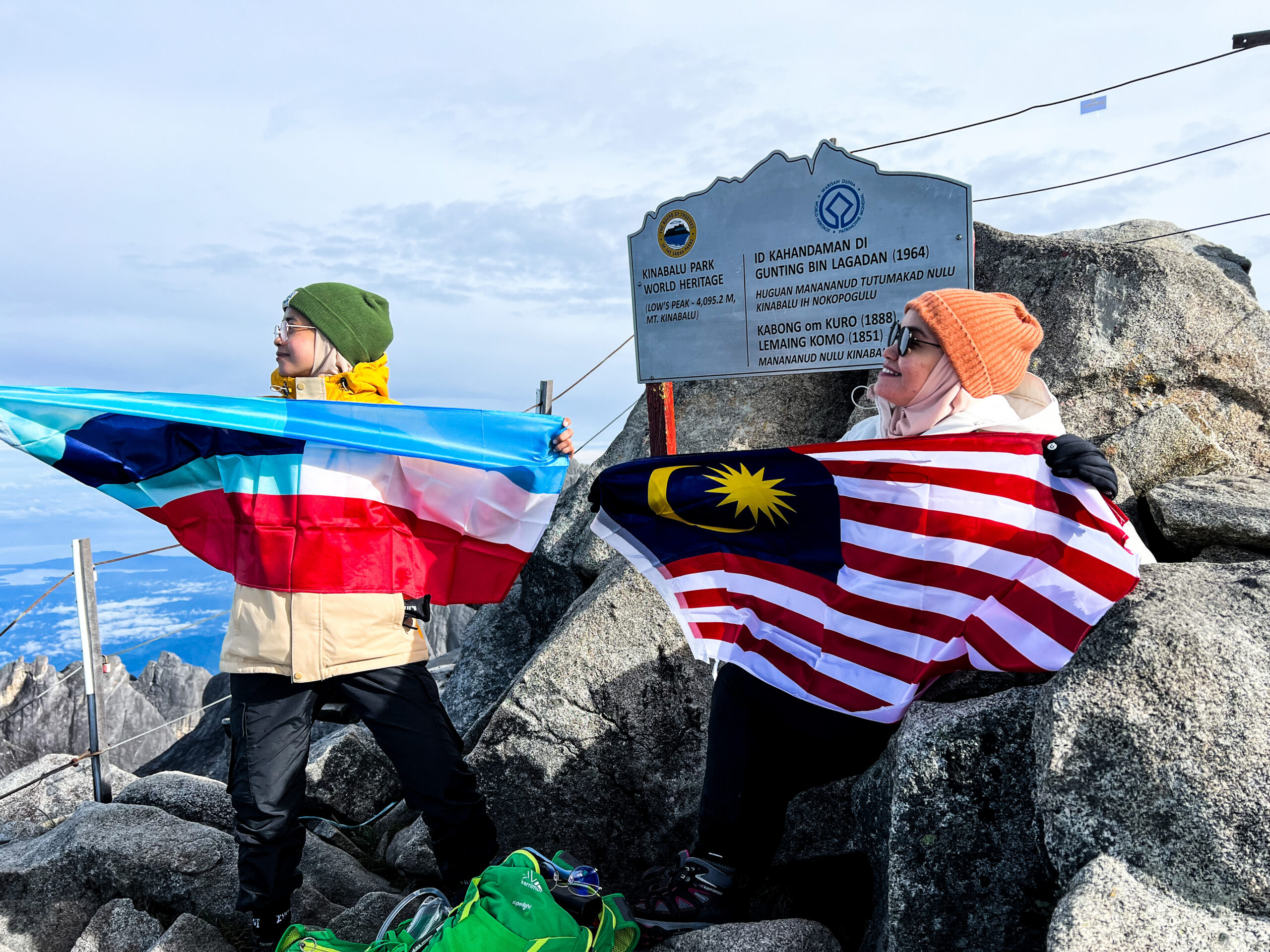
Eventually, just before sunrise, you will reach Low’s Peak, the summit of Mount Kinabalu. Standing at over four thousand metres, it is the highest point in Malaysia. The sense of achievement is unforgettable. As the first light spills over the horizon, it lights up the surrounding peaks and valleys, offering a view that makes every step worth it. The summit can get crowded during peak season, so taking a few quiet moments to soak in the view before descending is always a good idea.




The Descent Back Down
After reaching the summit and taking in the sunrise views, it is time to begin your descent. Most climbers return to Panalaban for a proper breakfast and a short rest before continuing all the way down to Timpohon Gate. While going downhill might sound easier, it brings its own set of challenges.
The descent puts a lot of pressure on your knees and joints. It is common to feel some soreness or muscle fatigue, especially in the lower legs. A walking stick can help with balance and reduce the strain. Wearing proper shoes with good grip also makes a big difference.
The trail back down follows the same route as the climb. Along the way, you will pass familiar rest huts, scenic spots, and maybe even notice things you missed on the way up. Many climbers describe this part of the trek as emotional. With every step, the feeling of accomplishment begins to sink in. The moment you reach the bottom, it is hard not to smile and think, “I really did it.”

What Surprised Us Most
Climbing Mount Kinabalu comes with a few unexpected moments. One of the biggest surprises for many first-time climbers is how much altitude can affect your energy and breathing. Even if you are relatively fit, the higher you go, the more you might feel short of breath or light-headed. Another thing that often catches people off guard is how quickly the weather can shift. Clear skies can suddenly turn into mist or rain, especially near the summit.
Many climbers also talk about how kind and supportive the local guides are. They are not just there to lead the way, but also to cheer you on and help when things get tough. Some hikers are also pleasantly surprised by the quality of food and facilities at Panalaban. While basic, they are cleaner and more comfortable than expected.
We met a few travellers along the trail who shared similar feelings. One hiker from Germany said, “I didn’t expect to enjoy the descent so much. Going down was tough, but I felt proud with every step.”
These little surprises make the Mount Kinabalu experience even more meaningful.
Is It Worth It? Final Thoughts
Climbing Mount Kinabalu is more than just reaching the summit. It is a challenge that brings both physical effort and emotional reward. From the quiet focus during the early morning climb to the proud feeling of standing at the top, the experience stays with you long after you return.
This hike is not just for experienced trekkers. With some preparation and determination, many everyday travellers have reached the peak and enjoyed every step of the journey. The path is tough, but the sense of achievement is real.
For anyone planning an adventure in Sabah, Mount Kinabalu is one of those unforgettable highlights. It is a chance to connect with nature, test your limits, and see Borneo from a new perspective.
Ready to Climb Mount Kinabalu?
If this adventure is calling your name, now is the perfect time to start planning. Explore our Mount Kinabalu climbing packages and find the one that suits your travel goals and fitness level. Whether you are climbing solo, with friends, or as part of a group, we are here to guide you through every step.
You can also check out our other blog posts on how to prepare for the climb, where to stay near Kinabalu Park, and what unique plants and animals you might spot along the way.
Let us help you make your Mount Kinabalu experience truly unforgettable.