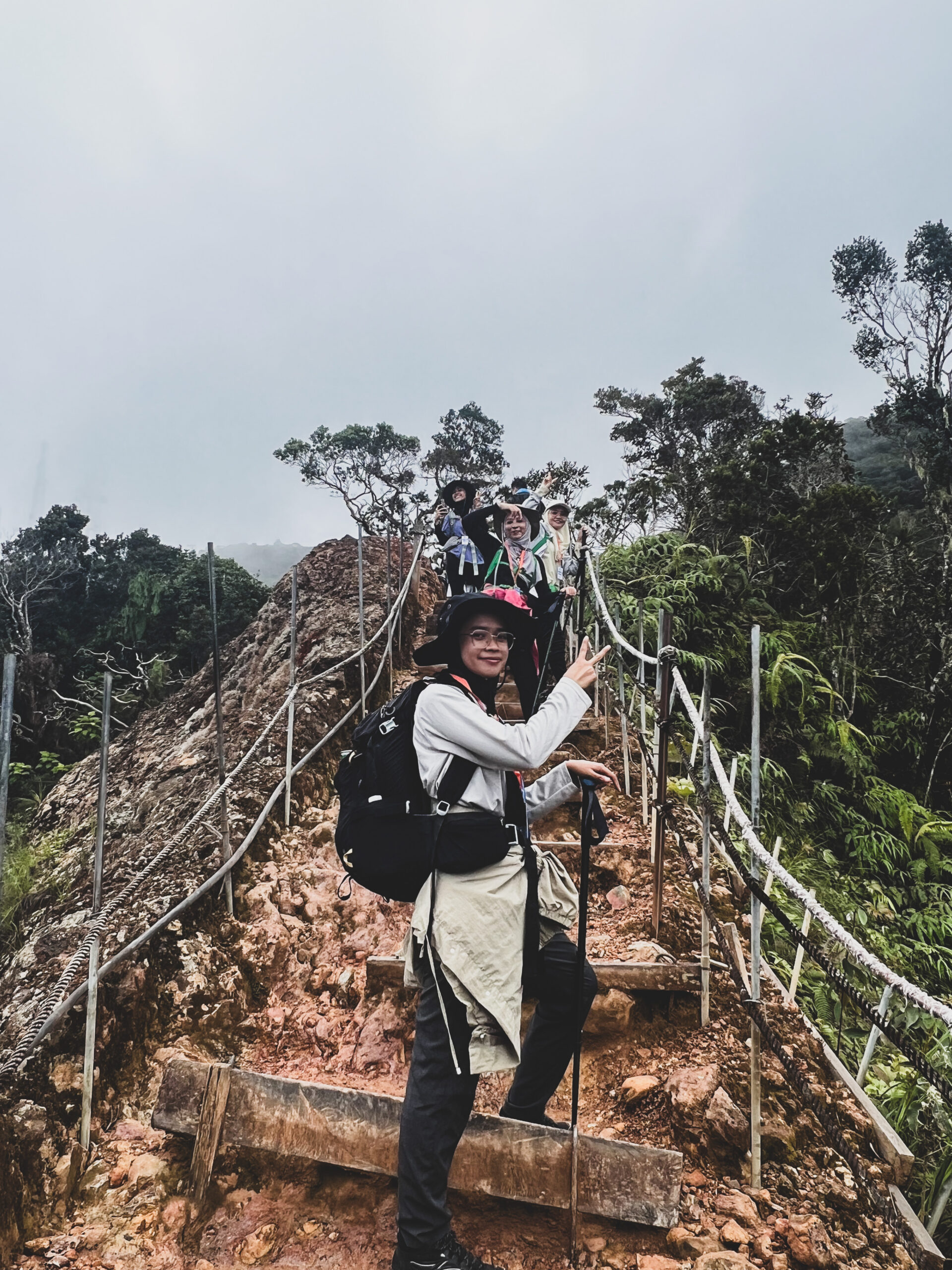
Mount Kinabalu Packing List
Packing for Mount Kinabalu can feel overwhelming, especially if it is your first time doing a serious hike. With so many blog posts and packing videos out there, it is easy to get stuck wondering what is truly necessary and what will just weigh you down.
One of the most common mistakes beginners make is bringing too much. Carrying unnecessary items not only adds to your load, but also takes a toll on your energy as you climb higher.
This guide is here to help you keep things simple and practical. You will find an easy-to-follow Mount Kinabalu packing list, honest tips on what to bring, and a few things that are better left behind. Whether you are new to hiking or just unsure where to start, this list will help you get trail-ready without the stress.
What the Weather Is Like on Mount Kinabalu
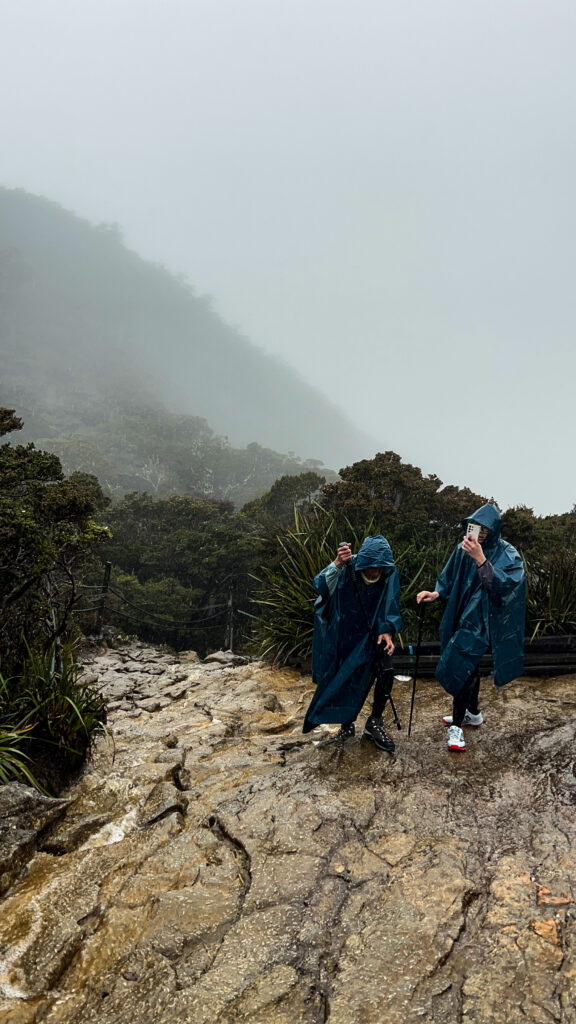
The weather on Mount Kinabalu is unpredictable and changes quickly, especially as you move up the trail. Understanding what to expect at different points of the climb can help you pack smarter and stay comfortable.
From Timpohon Gate to Panalaban, the weather tends to be humid with occasional bursts of rain. You will likely start your hike in warm conditions, especially if the sun is out, but the forested trail can also feel damp and chilly if clouds roll in or it rains.
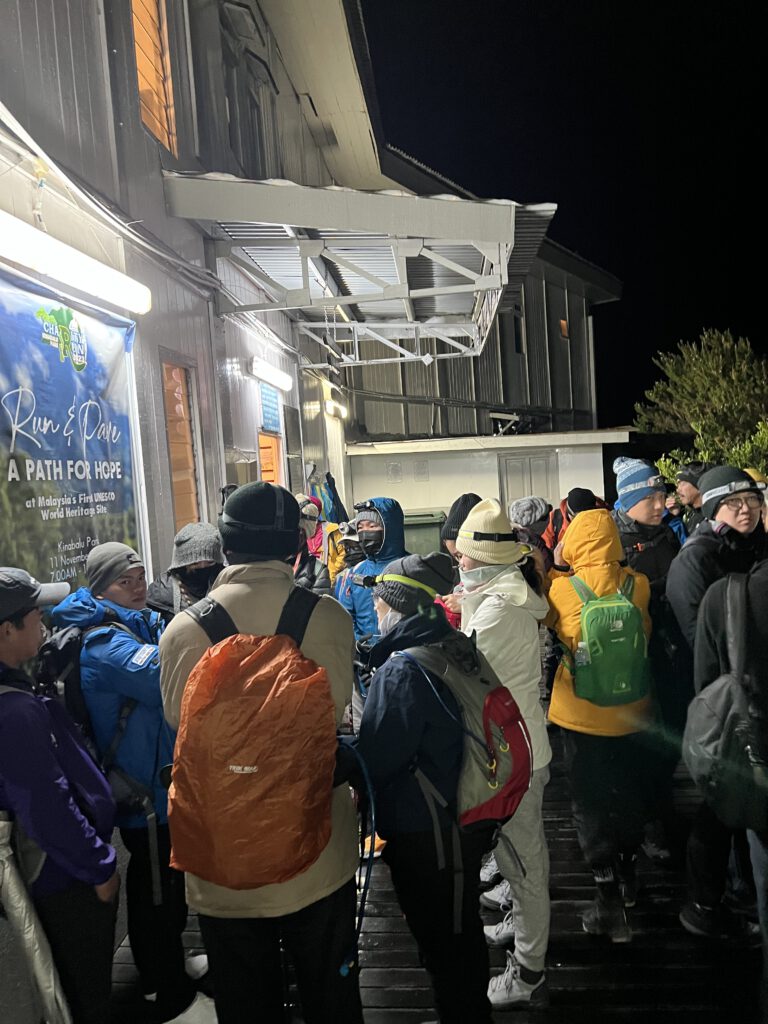
Once you leave Panalaban for the summit, the temperature drops significantly. The air becomes thinner, the wind picks up, and it can feel very cold before sunrise. You will also start the final climb in the dark, usually around 2am, so expect to deal with freezing temperatures, strong gusts of wind, and sometimes even rain or mist.
This is why packing in layers is so important. What feels too warm in the beginning might become essential at higher altitudes.

Essential Clothing to Pack for Mount Kinabalu
Choosing the right clothes can make a big difference on your Mount Kinabalu climb. With changing weather, steep trails, and early summit starts, comfort and layering really matter. Here’s what you should wear and why it helps.
Start with a lightweight shirt that dries quickly. Avoid cotton, as it holds on to sweat and takes longer to dry. A moisture-wicking top will help keep you comfortable, especially during the first part of the hike from Timpohon Gate to Panalaban.
Bring a fleece or insulated jacket for warmth when the air gets cooler at higher altitudes. This is especially useful in the evening at Panalaban and during the early morning summit climb.
Pack a waterproof jacket that can handle wind and rain. Weather can shift without warning, and staying dry makes a huge difference to your energy and comfort.
Wear long trekking pants that stretch and breathe well. Avoid jeans or heavy materials. They take too long to dry and feel stiff after hours on the trail.
You’ll also need a warm hat and gloves for summit morning. It gets cold, especially in the early hours before sunrise. Gloves also help you grip the ropes during steep sections.
Don’t forget your socks. Bring dry, breathable hiking socks and pack extras in case they get wet. Cold feet can affect your whole climb.
On Day 1, most hikers wear light clothing for the lower trail, but keep your jacket accessible in case it rains. On summit day, layer up with your warmest outfit and make sure your headlamp is ready. It’s cold, dark, and windy before the sun comes up.

Footwear That Can Make or Break Your Climb
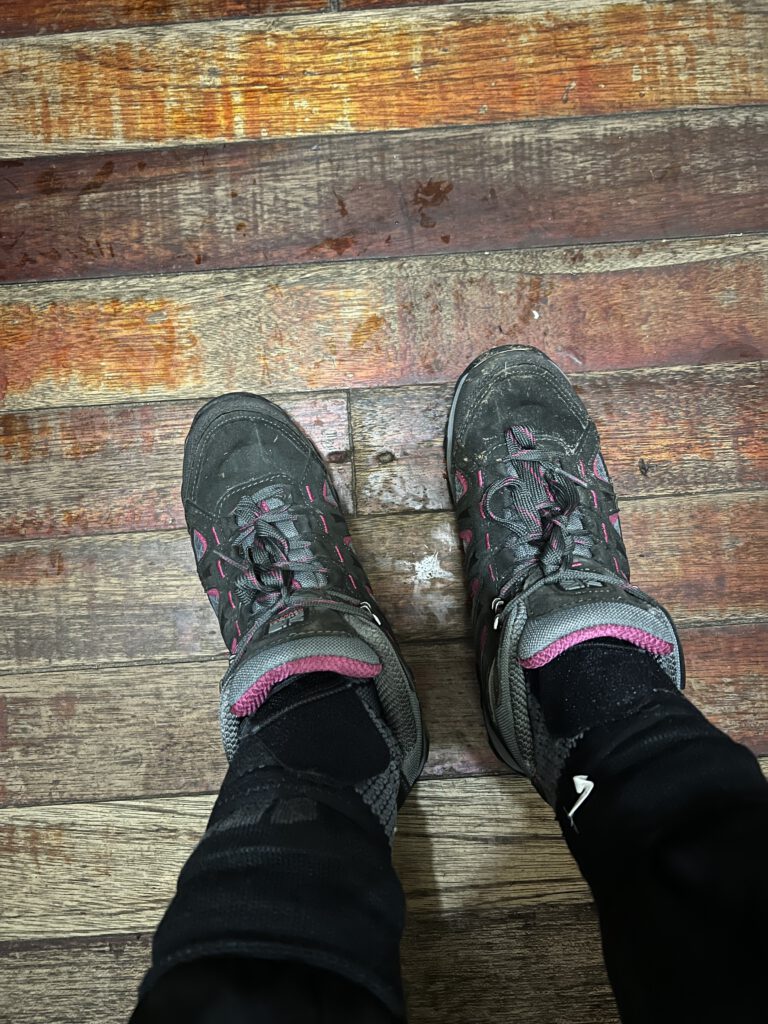
When it comes to hiking Mount Kinabalu, your shoes matter more than almost anything else. You will be walking for hours, climbing steep paths, and navigating wet or rocky surfaces. The right pair of shoes can keep you steady, reduce the risk of slipping, and protect your feet from blisters and fatigue.
Choose hiking shoes or boots with strong grip and good ankle support. Waterproof material is a bonus, especially if it rains. Make sure you break them in before the climb. Wearing brand new shoes on the mountain is a common mistake and almost always leads to sore feet or blisters.
If you’re wondering whether regular sports shoes are enough, they might work for some, but they often lack the grip needed for slippery or uneven ground. Trail runners can be a better option than sneakers, but hiking shoes are still your best bet.
Bring a lightweight pair of slippers or sandals for use around the lodge at Panalaban. After a long day in hiking shoes, your feet will thank you.
You can also consider anti-blister socks or using blister tape on known hot spots. Keeping your feet dry and supported will help you enjoy the climb much more.
Here is a quick story from my own experience. When I climbed Mount Kinabalu, it started raining about two kilometres before I reached Panalaban. My shoes got completely soaked. Thankfully, I asked around and found out there was a drying service available at the lodge. It cost a small fee, but it was worth it. My shoes were dry and ready to go for the summit hike the next morning. So if you have some cash on hand, bring a little extra just in case you need this kind of help.
Must-Have Gear for Your Mount Kinabalu Climb
Packing the right gear makes a huge difference when you are heading up Mount Kinabalu. Here is a beginner-friendly checklist of essentials to help you stay safe, comfortable, and prepared throughout the journey.
Start with a good daypack. A bag between 25 to 35 litres is usually enough to carry your layers, water, snacks, and other items without being too bulky.
A headlamp is required for the summit push. Since you start the final climb very early in the morning, when it is still dark, having a reliable headlamp will help you see clearly and stay steady on your feet.
Bring a refillable water bottle or a hydration bladder. Staying hydrated is key, especially at higher altitudes where you might feel tired more quickly.
Pack snacks that are easy to eat and energy-boosting. Energy bars, trail mix, nuts, or even sweets can give you the quick fuel you need along the trail.
Hiking poles are highly recommended, especially for the descent. Going downhill can be tough on the knees, so having two poles can help with balance and reduce pressure on your legs.
Do not forget your sunglasses and sunscreen. Even if it feels cool, the sun at higher altitudes can be strong.
A lightweight towel or some wet wipes can come in handy for freshening up after a long day on the trail.
Also include a small personal first aid kit. You might not need it, but it is always better to have essentials like plasters, pain relief, or blister tape just in case.
If you are a beginner, consider wearing or packing knee guards or ankle supports. These can make a real difference during the descent, when your legs are tired and your joints are under more pressure.
What You Get in a Mount Kinabalu Climbing Package
If you are booking a Mount Kinabalu tour, you might be wondering what is actually included. Most packages already cover your basic needs, so you do not have to bring more than you should.
Meals are usually taken care of. You will get dinner when you reach the mountain lodge, a light supper before the early morning summit hike, and breakfast before starting your descent. These are usually served buffet-style, which makes it easy to fuel up without bringing your own food. You do not need to pack cutlery either, as everything is provided at the lodge.
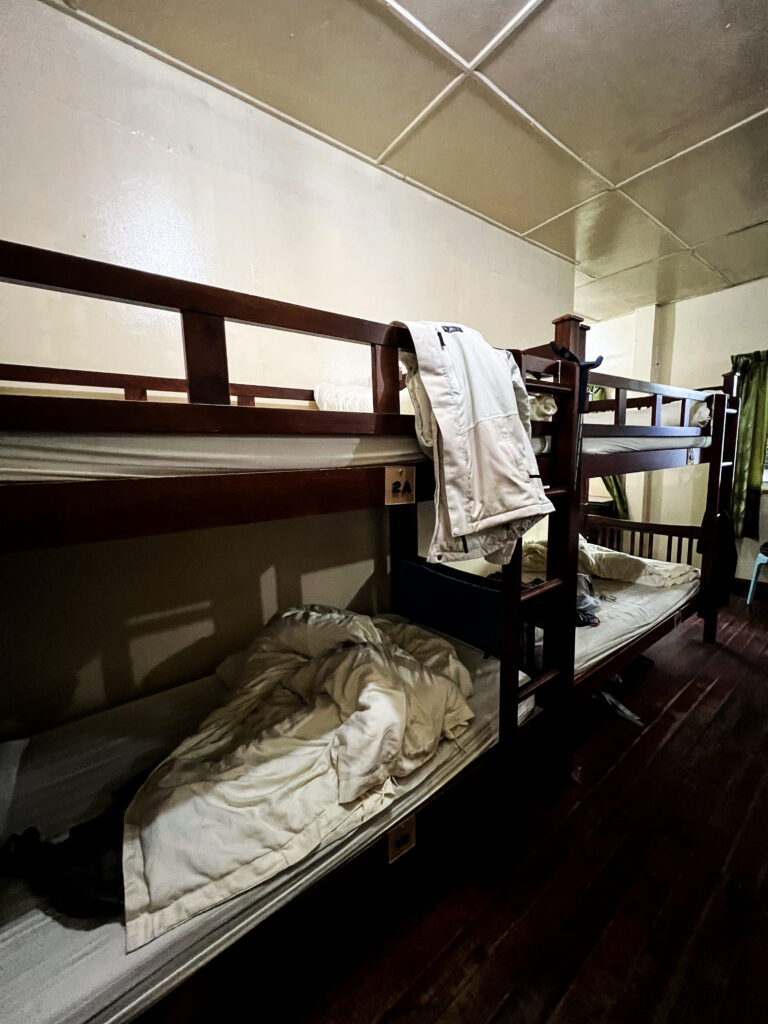
Accommodation is also included in the package. You will spend the night at Panalaban in a shared lodge. Some lodges provide warm blankets, while others offer insulated sleeping bags. The air gets very cold at night and many climbers find it difficult to sleep, so if you tend to feel the chill, having your own insulated sleeping bag can really help.
Permits and climbing insurance are normally handled as part of the booking, along with your mountain guide. You do not need to worry about getting these on your own.
Toiletries are not included, so bring your own toothbrush, toothpaste, small towel, and other personal items. Do not pack a full toiletry bag. Keep it simple and light.
By knowing what is already provided, you can avoid doubling up and save space in your backpack for the essentials.
What You Can Leave Out of Your Bag
When packing for Mount Kinabalu, less is often better. Overpacking is one of the most common mistakes beginners make. You end up carrying extra weight that drains your energy faster, especially as the altitude increases.
You really do not need too many clothes. You will be wearing your hiking gear most of the time, and laundry is not part of the itinerary. Keep your outfit changes to the essentials.
Unless you are a serious photographer, it is best to skip bulky camera gear. Your phone will do just fine for most shots. And while power banks are useful, you do not need a huge one. Panalaban base camp has electricity, and there are spots where you can charge your phone overnight. A small power bank should be enough.
Avoid packing random “just in case” items. If you are not sure you will use it, leave it out. Things like extra shoes, beauty products, or large towels are not helpful on a climb like this.
If you want to lighten your load, you can hire a porter to carry some of your belongings. However, they will not walk alongside you. That means you must keep essentials with you at all times. Extra clothes, toiletries, or sleeping bags can go with the porter, but make sure to settle payment before your hike. Bring some extra cash, as this is usually done in person at the park.
Tips for Packing Smart and Light
Packing for Mount Kinabalu is all about keeping it simple without missing the essentials. Here are some tips that can help you stay light and prepared throughout the climb.
Use packing cubes or zip-up bags to organise your clothes and gear. It helps you find things easily and stops your backpack from turning into a mess halfway up the mountain.
Wear your thickest or bulkiest items on the first day of your climb. This includes your hiking boots, fleece, and waterproof jacket. It saves space in your bag and keeps the weight on your body rather than on your back.
If you plan to hire a porter, check how much weight they are allowed to carry. Most porters carry up to ten kilograms per climber, and you will need to pay for the service before the hike begins. Make sure to bring some cash for this.
Keep all your summit day essentials in one small section of your bag. This includes your headlamp, gloves, snacks, and extra layers. You will need to access them quickly during the early morning climb, so avoid packing them deep inside your backpack.
Packing smart lets you enjoy the trail without unnecessary discomfort or exhaustion.
Final Thoughts Before You Zip Your Bag
Before you close your backpack and start your Mount Kinabalu adventure, take a moment to double-check a few important things. Comfort, weather readiness, and a balanced load should be your top priorities. If your bag feels too heavy during a quick test walk, imagine how it will feel several hours into the climb.
Try not to pack out of fear or uncertainty. Pack based on your own experience level and what you realistically expect to need. Focus on gear that supports your comfort and safety, not on items that only add weight.
If you are feeling unsure, we have created a simple Kinabalu packing checklist to help you stay on track. Whether you are climbing for the first time or just need a refresher, a good list can make all the difference.
xxc
Before you close your backpack and start your Mount Kinabalu adventure, take a moment to double-check a few important things. Comfort, weather readiness, and a balanced load should be your top priorities. If your bag feels too heavy during a quick test walk, imagine how it will feel several hours into the climb.
Try not to pack out of fear or uncertainty. Pack based on your own experience level and what you realistically expect to need. Focus on gear that supports your comfort and safety, not on items that only add weight.
If you are feeling unsure, we have created a simple Kinabalu packing checklist to help you stay on track. Whether you are climbing for the first time or just need a refresher, a good list can make all the difference.