
The Best Dive Sites in Mabul Island and Why You Should Visit Them
Planning your first dive trip to Mabul and not sure where to start? With so many dive sites just minutes from the island, it can be hard to tell which ones are worth your time, especially if you are new to the area.
This guide is for anyone thinking about diving in Mabul, whether you are doing a Discovery Dive, starting your Open Water course, enjoying a few relaxed fun dives, or searching for tiny creatures through a camera lens.
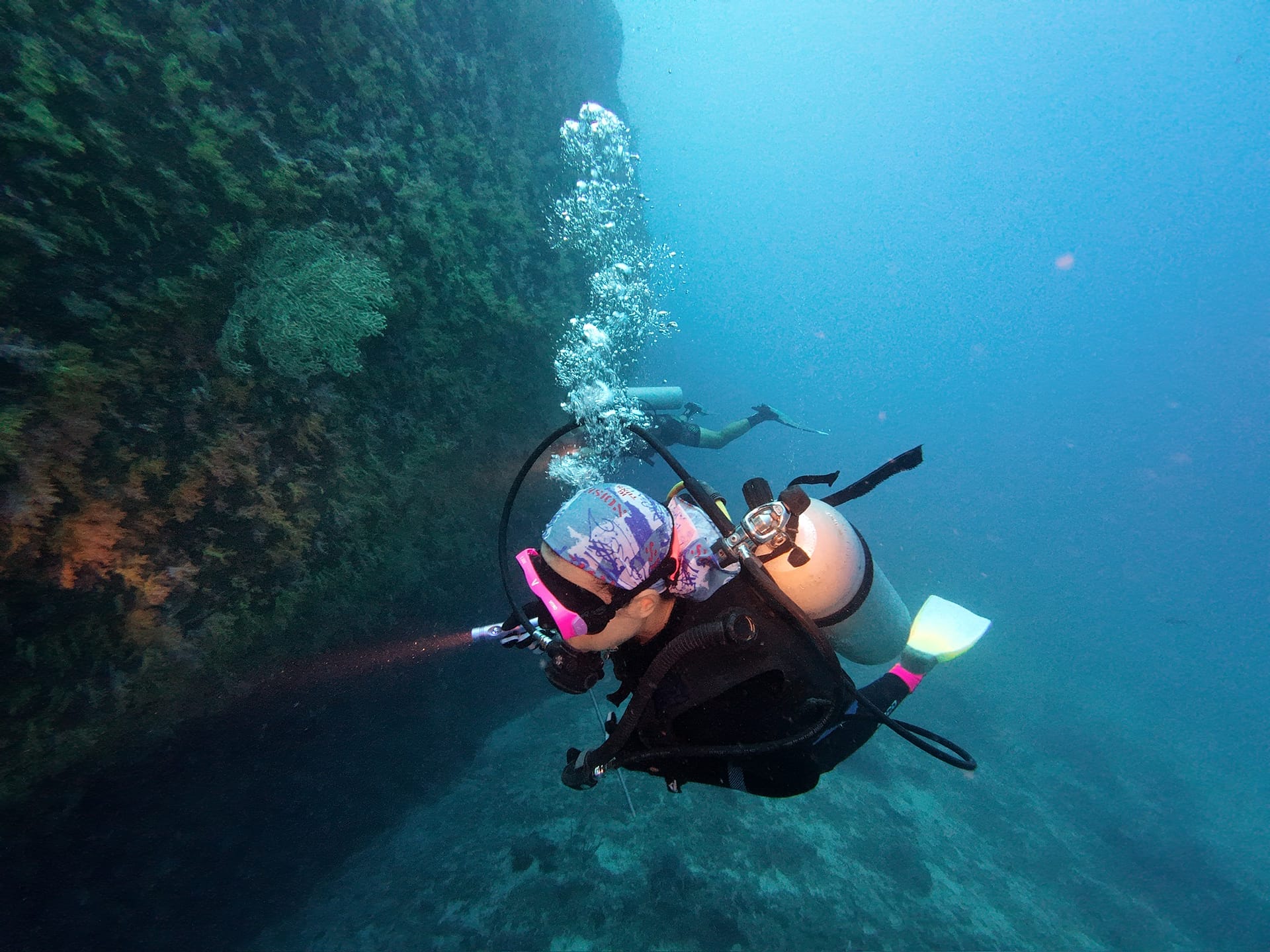
I still remember my first dive here. I didn’t expect to see so much marine life so close to shore. One moment I was adjusting my mask and the next I was floating above a reef filled with turtles and bright reef fish.
Why Mabul Is a Favourite Among Divers
What draws people to Mabul is not just the fact that it sits near the famous Sipadan. It is the way diving here feels almost effortless. The water is usually calm and clear, the sun is warm on your wetsuit, and the boat rides are so short you barely have time to sip your tea before it is time to backroll into the sea.
Mabul Island is known for its shallow reefs and sandy slopes, making it perfect for beginner divers and anyone wanting a slow, relaxed underwater experience. The visibility often ranges from 10 to 20 metres during the dry season, and the water stays at a comfortable 28 to 30 degrees Celsius year-round. That means no thick wetsuits, no heavy currents, and no need to rush.
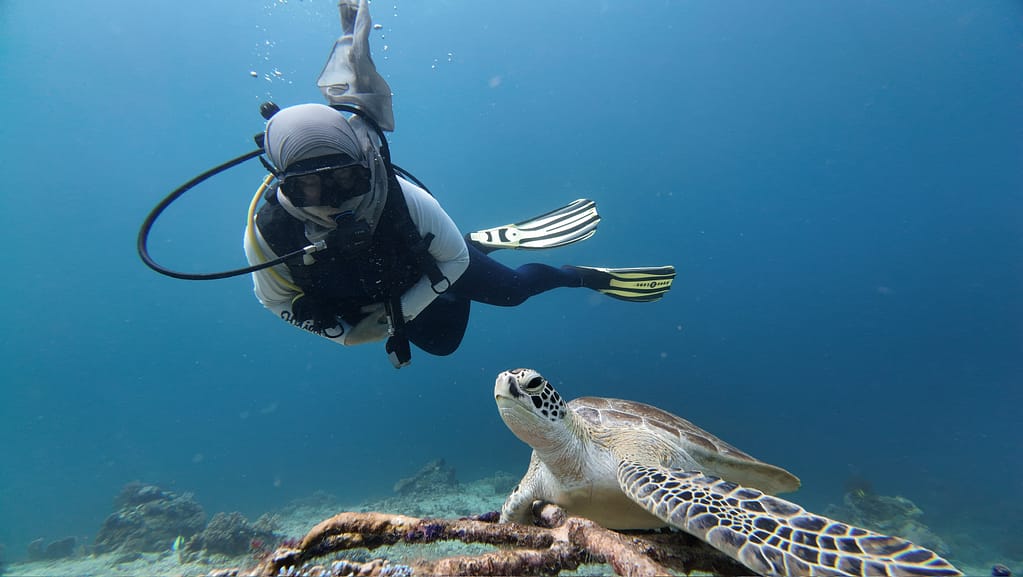
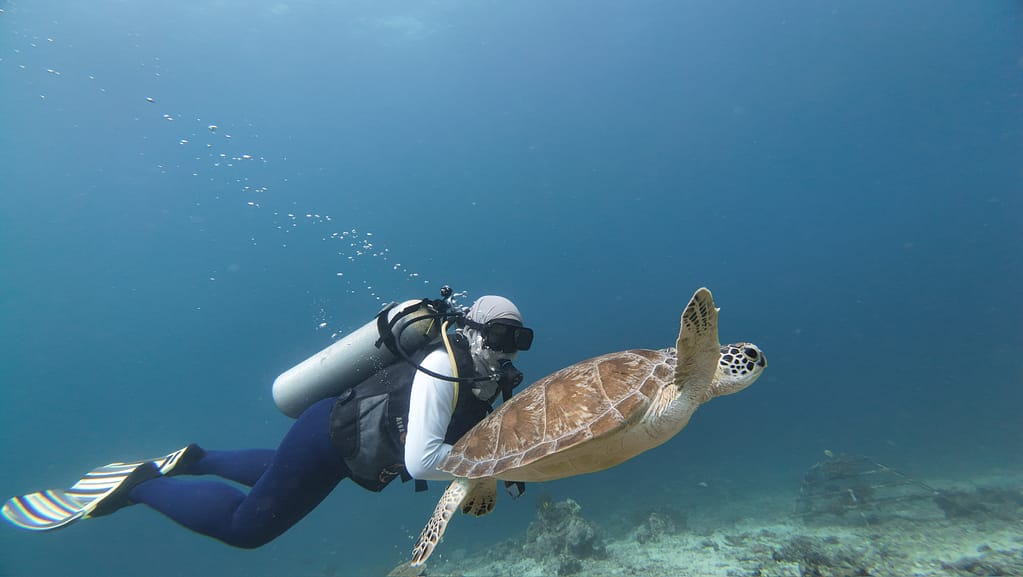
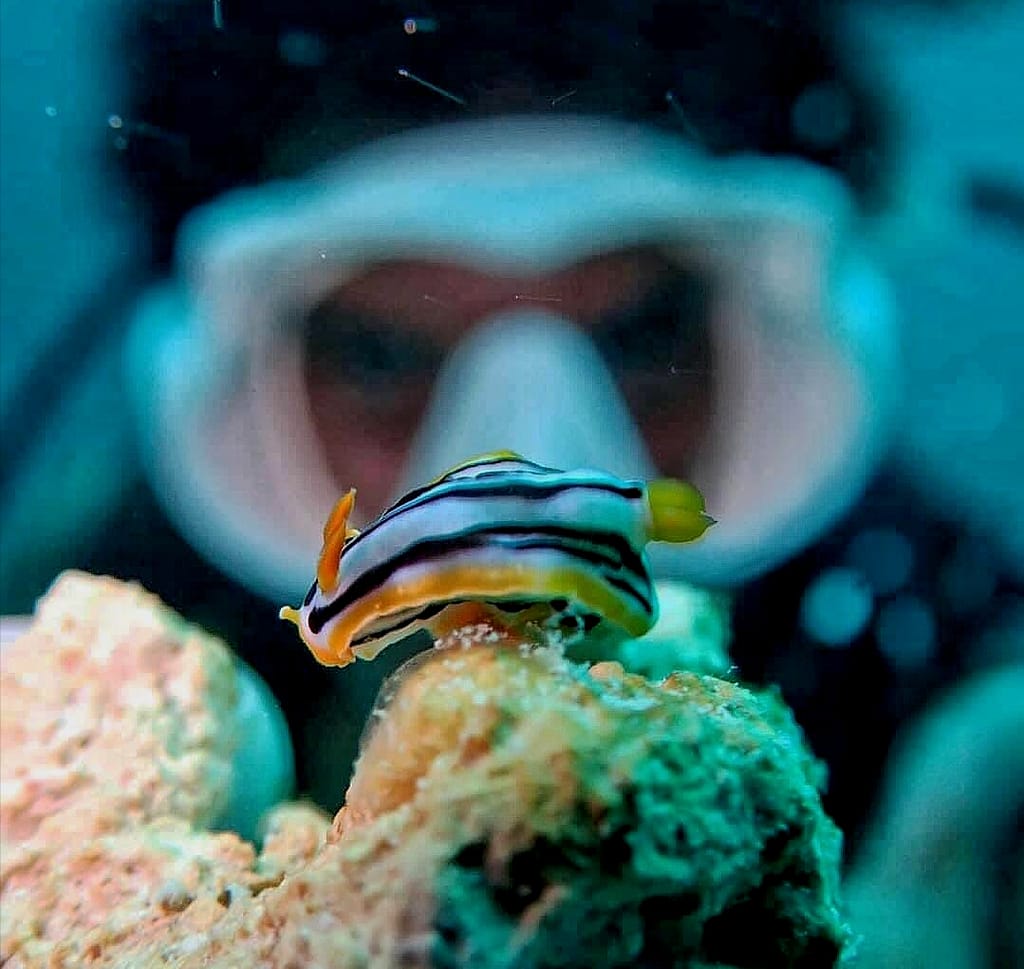
But the real charm of diving in Mabul is in the details. You’ll hover over coral gardens and suddenly spot a frogfish camouflaged perfectly on a sponge. A group of curious pipefish might drift by just under your nose. And turtles? They glide past like they own the place, unfazed by your bubbles.
Most dive sites are just a short ride from shore. Less time on the boat means more time in the water. And because the pace is slow, you get to truly enjoy the reef, not just pass through it.

Top Dive Sites in Mabul Island
Paradise 1
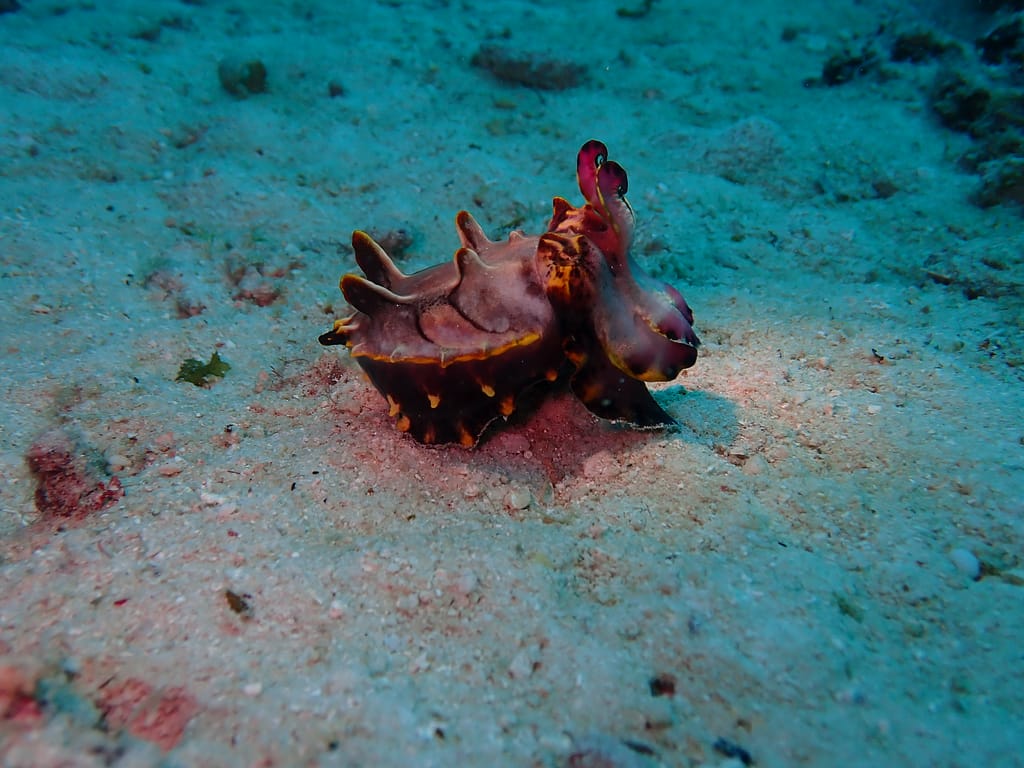
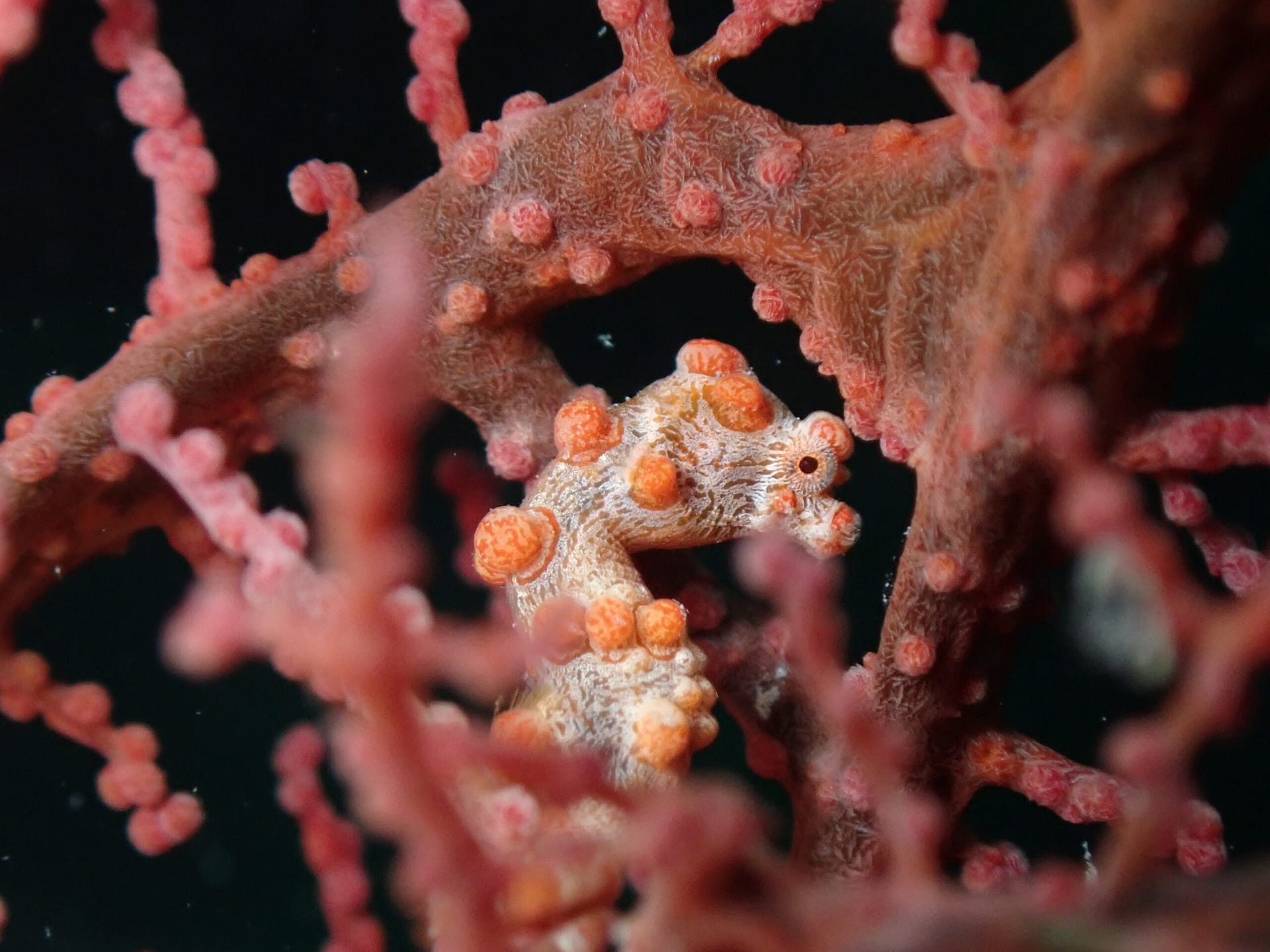
Dive into a macro lover’s dream at Paradise 1, Mabul Island’s premier macro diving site that can convert even the most skeptical divers into muck diving enthusiasts! This dive site features a primarily sandy bottom with scattered sunken boats, offering plenty of intriguing spots to explore. Encounter an array of fascinating and rare marine life, including the mesmerizing blue-ringed octopus, tiny pygmy pipe horses, elusive Ambon scorpionfish, and the dazzling flamboyant cuttlefish. And if macro life isn’t your focus, you’ll find serenity watching the massive GIANT green turtles leisurely resting on the seabed.
Type of dive
Sandy bottom with sunken boat structure
Depth
5 to 20 meters
Froggy Lair
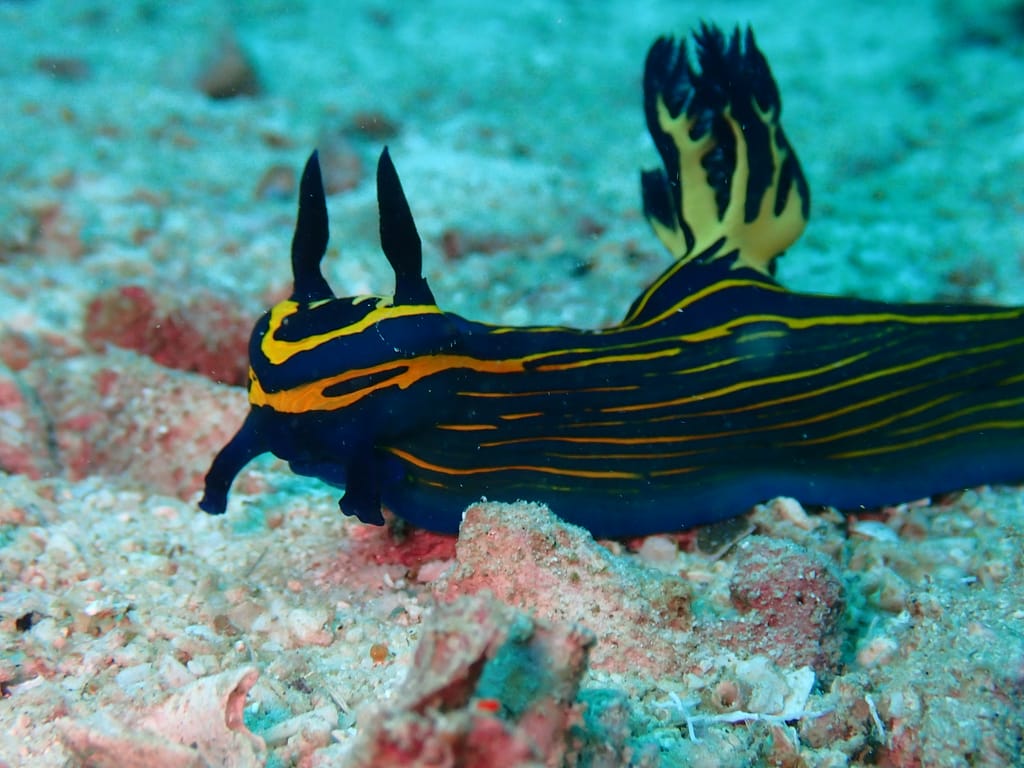
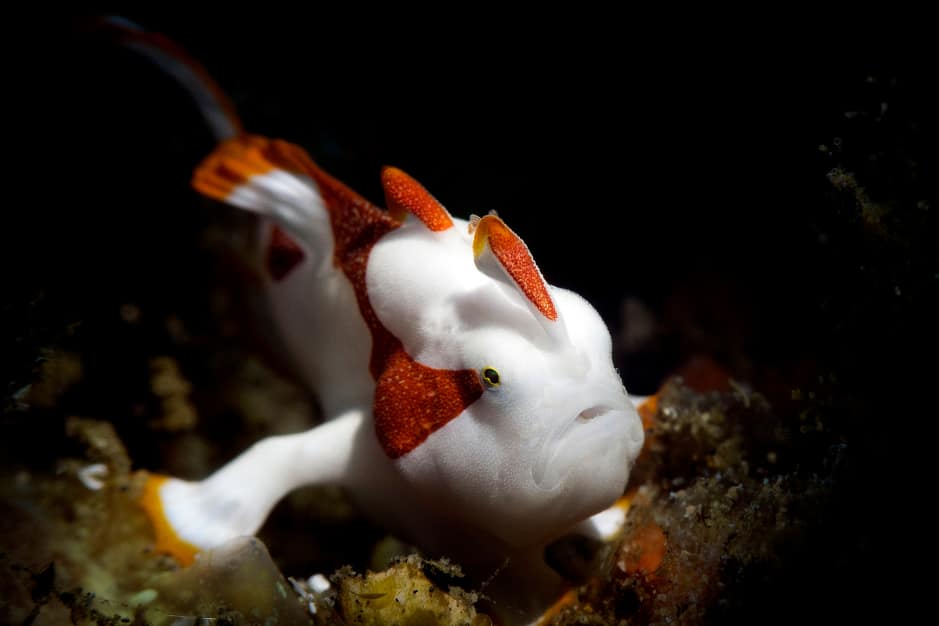
Located to the northeast of Mabul, Froggy Lair was renowned as an exceptional muck diving destination. This spot was famous among divers, especially those passionate about macro photography, for its diverse range of rare and unusual marine species. At Froggy Lair, divers could capture stunning images of ghost pipefish, frogfish, flamboyant cuttlefish, and vibrantly colored nudibranchs. Those who meticulously searched the reef’s nooks and crannies, as well as old tires scattered on the seafloor, often discovered a variety of hidden marine creatures. The elusive blue-ringed octopus had also been reported in this area, making it a rare and exciting find for lucky divers.
Type of dive
Reef and muck dive
Depth
5 to 10 meters
Seaventure Dive Rig
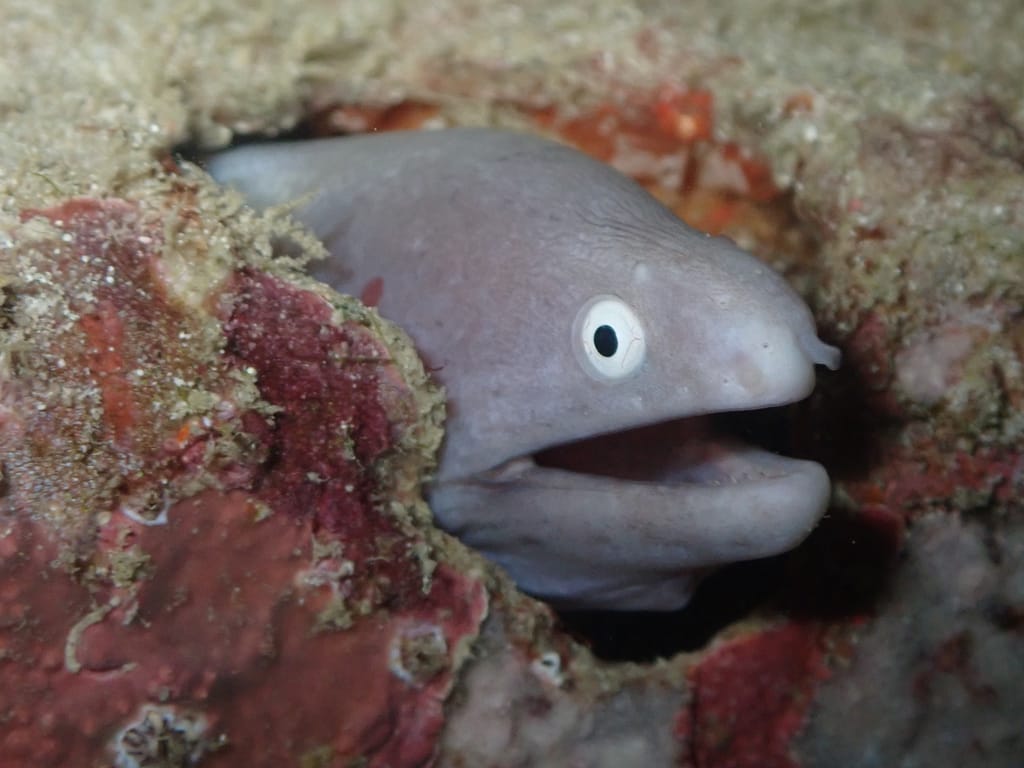
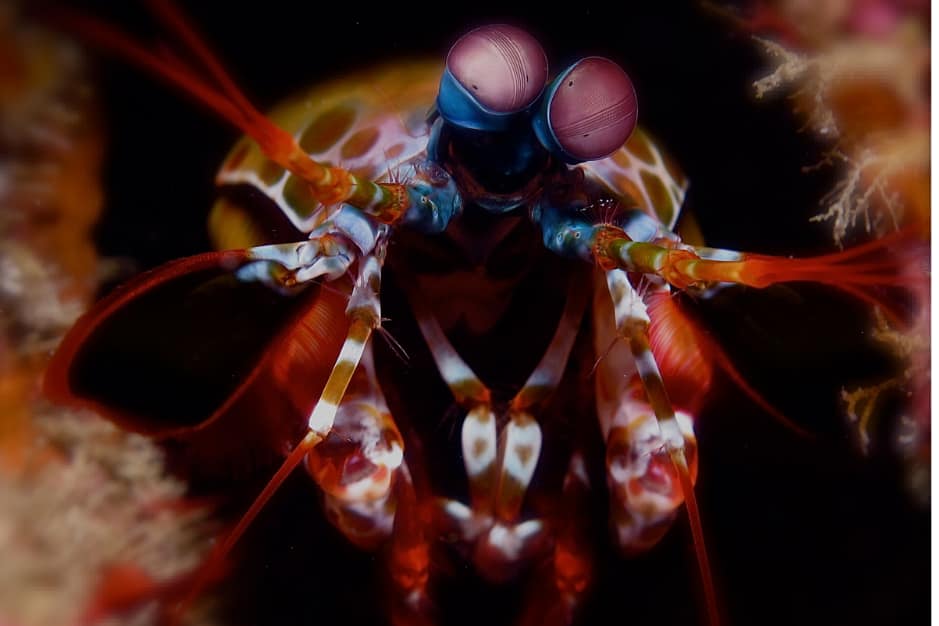
The Seaventure Platform offered a unique diving experience due to its setting on a decommissioned oil rig, located just 300 meters from the jetty at Sipadan Water Village Resort. This artificial reef transformed into a remarkable dive site, attracting a variety of macro marine life that adapted to the rig’s unusual and deteriorating conditions. Divers could encounter a range of fish, including frogfish, leaf fish, crocodile fish, and lionfish around the structure. Smaller marine life, such as pygmy seahorses, mantis shrimp, tiny critters, and nudibranchs, were common sightings. Giant moray eels were among the larger species frequently observed here. Additionally, the oil rig provided excellent opportunities for night diving for those staying nearby.
Type of dive site
Muck dive
Depth
12 to 20 meters
Mabul House Reef
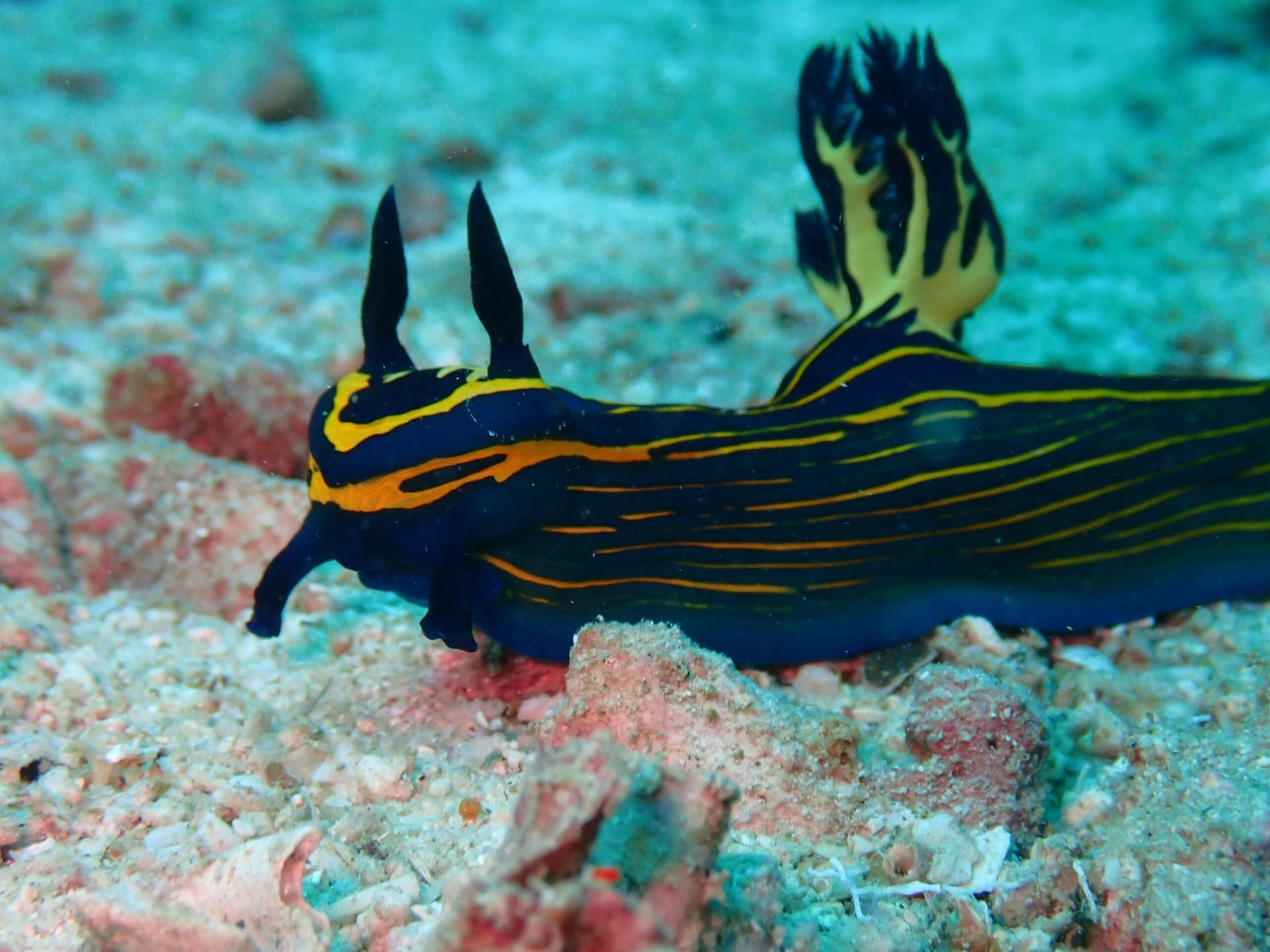
Mabul’s House Reef is a prime destination for muck diving enthusiasts. This site features a diverse range of marine life, thanks to several artificial reef structures installed by local dive operators. These wrecks and metal frameworks have created a thriving underwater ecosystem right beneath the jetty.
At House Reef, divers can encounter fascinating creatures such as frogfish, harlequin shrimp, seahorses, porcelain crabs, and squat lobsters. The area also hosts larger species like moray eels and sea turtles. The reef is a hotspot for unusual marine life, including nudibranchs, leaf fish, and ghost pipefish, making it a paradise for underwater photographers. The success of the artificial reef initiative has transformed House Reef into a miniature version of Sipadan, showcasing a rich variety of fauna. Additionally, divers might spot giant stingrays and large schools of trevally in the area.
Type of dive site
Muck dive
Depth
5 to 25 meters
Eel Garden
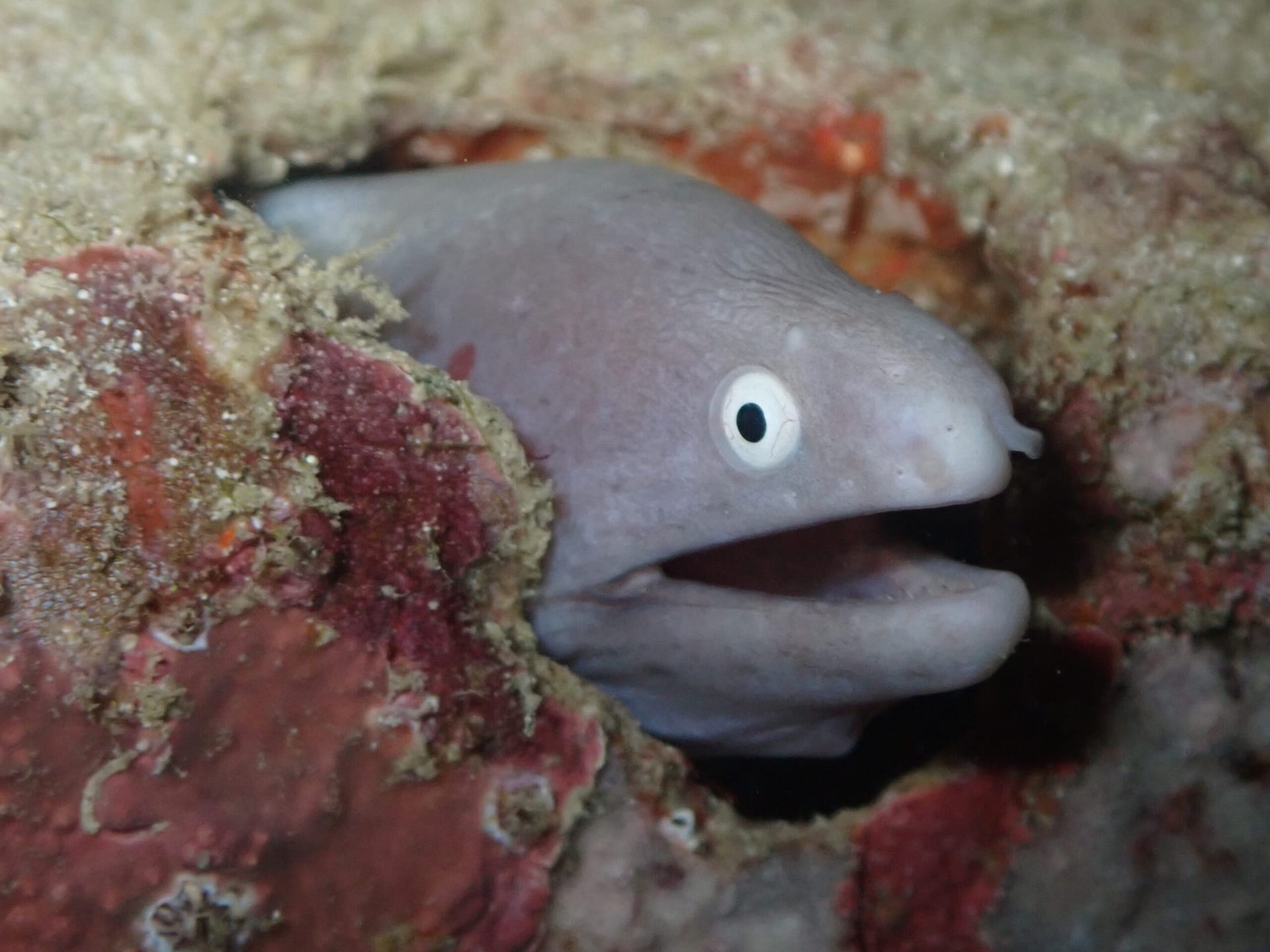
True to its name, Eel Garden is a remarkable dive site known for its abundance of eels that emerge from the seabed to watch divers pass by. Divers can encounter various types of eels here, including moray eels, blue ribbon eels, and numerous garden eels.
Located at the southern end of a sloped, rocky reef, Eel Garden also features a range of other intriguing marine life. Divers can spot batfish, gobies, frogfish, and sizable mantis shrimp. This location is ideal for capturing stunning underwater footage, making it a favorite spot for aspiring videographers and photographers.
Type of dive site
Sloping reef
Depth
5 to 30 meters
Paradise 2 Wreck
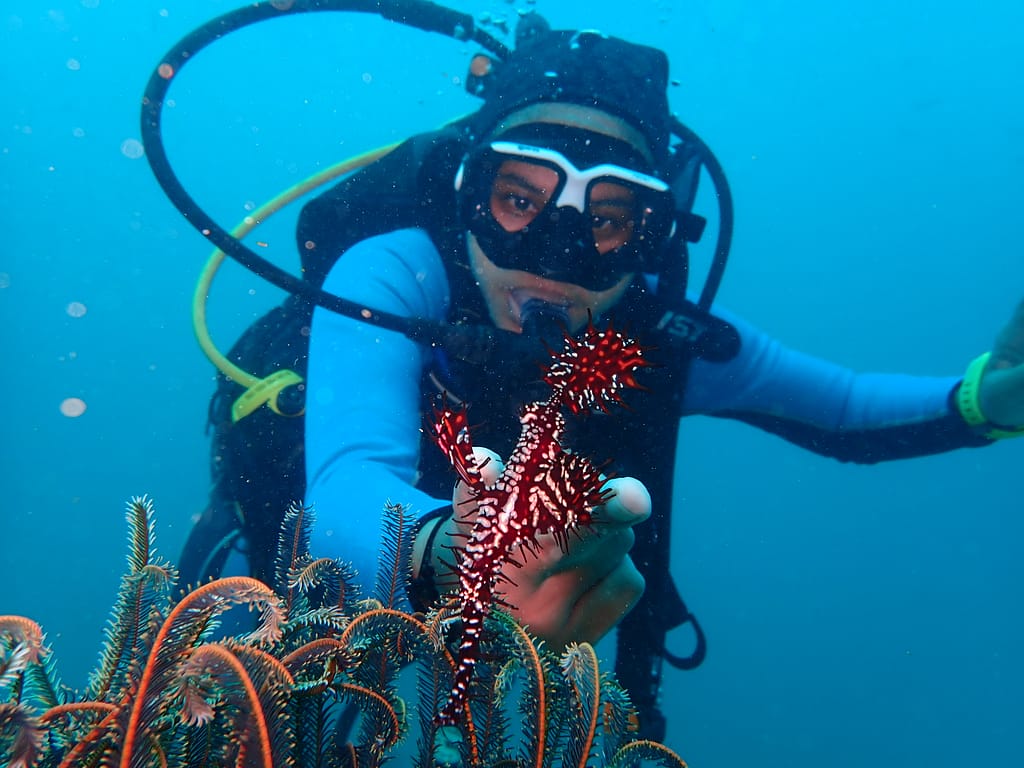
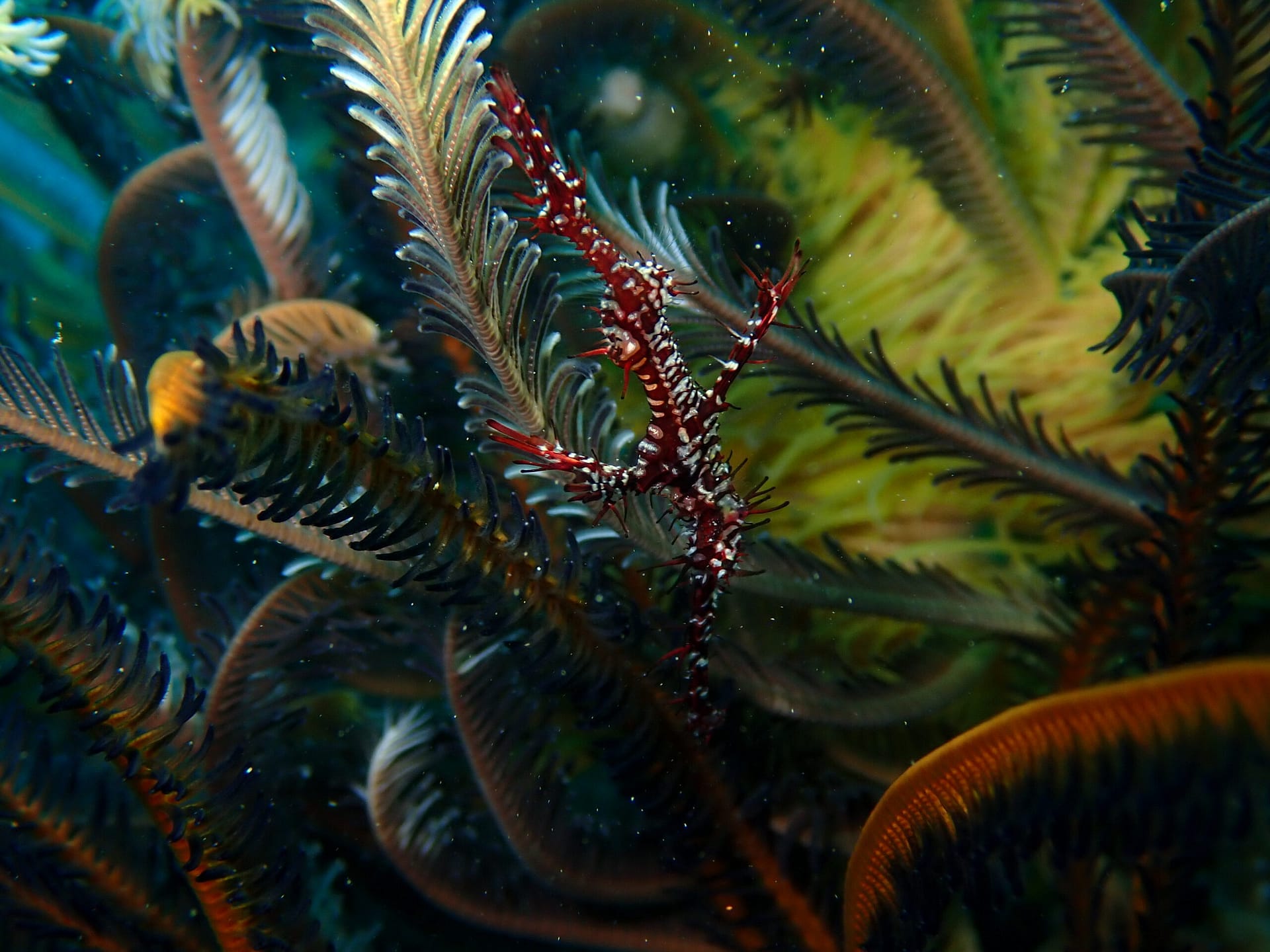
The 12-meter-long boat was intentionally sunk and has since become a vibrant home for a diverse array of marine life. The wreck, now covered with crinoids (feather stars), is a hotspot for spotting the beautiful ornate ghost pipefish and graceful crinoid squat lobsters. Schools of batfish gather at the top of the wreck, while fusiliers swim through it. Turtles and cuttlefish are also frequent visitors to this captivating site. With depths ranging from 18 meters at the bottom to 10 meters at the top, divers of all skill levels can fully enjoy this dive.
Type of dive site
Coral reef, muck, and wreck dive
Depth
10 to 18 meters
Ray Point
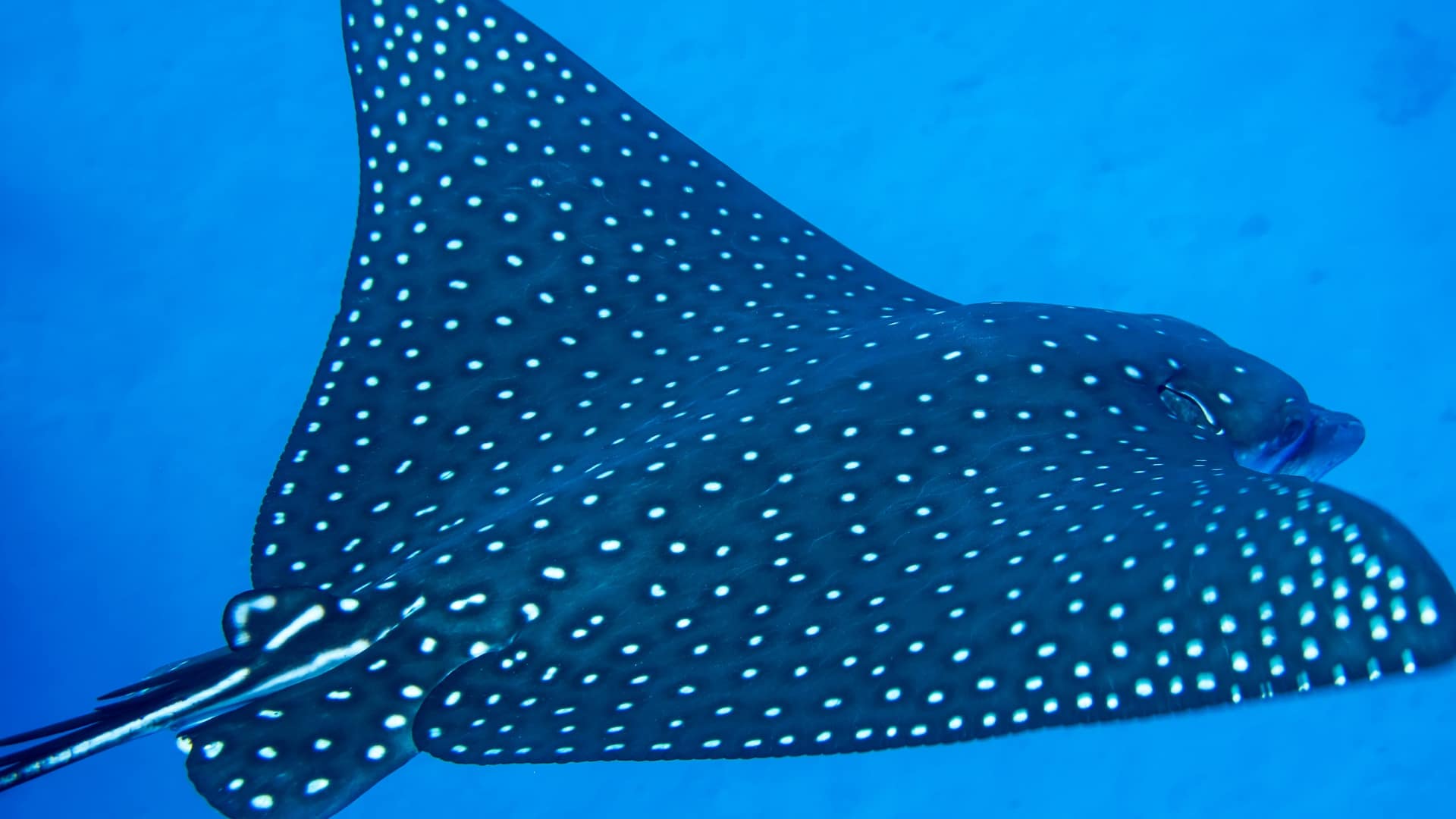
Ray Point is a diverse and captivating dive site in Mabul, particularly famous for the blue-spotted rays that frequent the sandy seabed. The reef features a gentle slope descending to 25 meters, with Ray Point situated on the southwestern side. Divers often encounter turtles, groupers, lionfish, cuttlefish, boxfish, and large trevallies. The underwater flora is stunning, with gorgonian fans, sponges, and a variety of live coral species flourishing throughout the reef.
Type of dive site
Coral reef
Depth
5 to 25 meters

Lobster Wall (The sister of Sipadan)
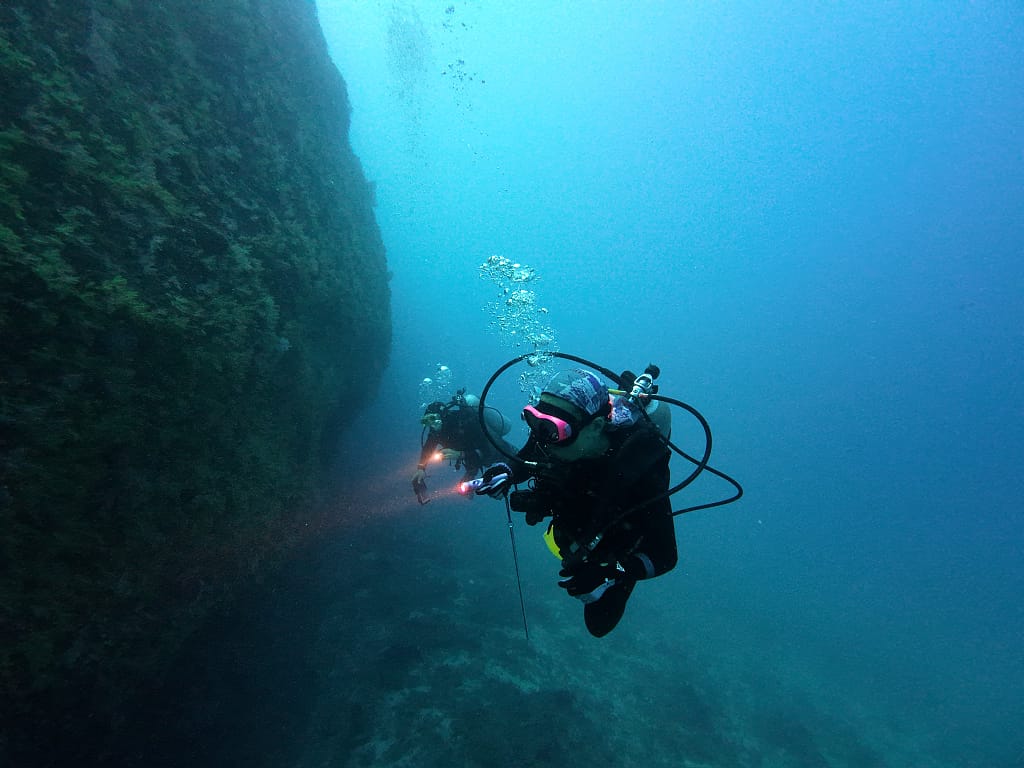
Just a short distance from our resort lies a breathtaking wall dive. The unique topography, filled with cracks and crevices, offers plenty to explore as you drift along the wall. Keep an eye out for fascinating marine life such as lobsters, shrimp, crabs, octopuses, stonefish, moray eels, and frogfish. You might also spot large green turtles resting on reef ledges or swimming by in the deep blue.
The wall plunges to depths of over 45 meters, making it an ideal spot for a Deep Adventure dive as part of your Advanced course, a Deep Specialty course, or just a deeper fun dive. For the fortunate few, this dive site occasionally attracts special visitors like whale sharks, devil rays, and manta rays.
Type of dive site
Wall dive with corals
Depth
25 to 45 meters
Panglima Reef
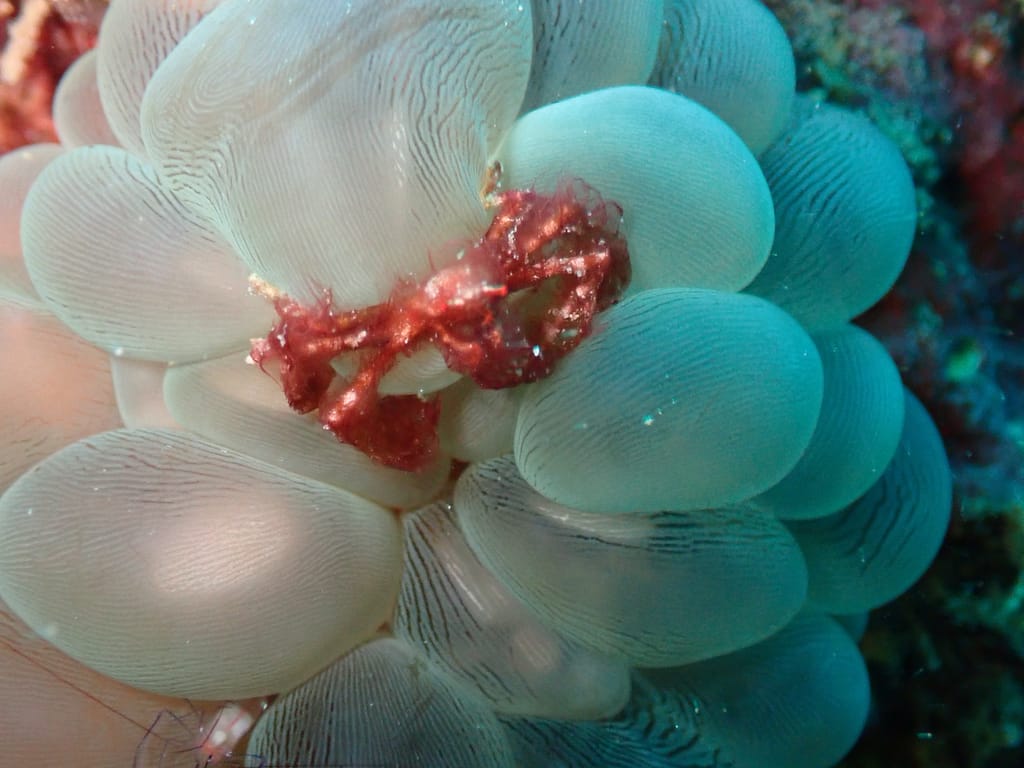
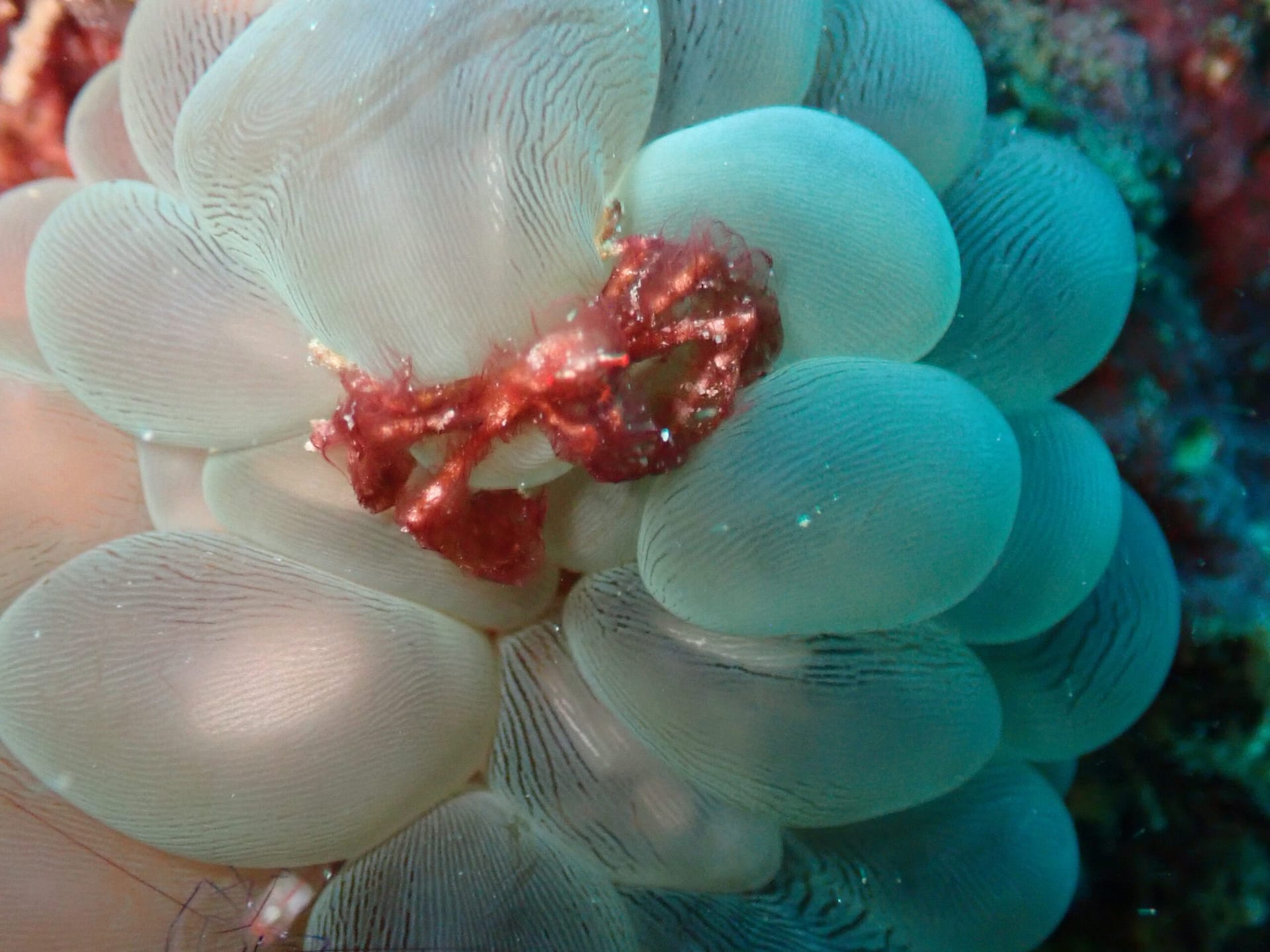
In the northern part of Mabul, you’ll find a steeply sloping coral reef teeming with macro life, including frogfish, nudibranchs, and octopus. Look out for orangutan crabs nestled within bubble corals and hairy squat lobsters concealed in large barrel sponges along the reef. Occasionally, eagle rays glide through the blue waters, adding to the excitement. At the dive site’s end, you’ll discover one of Mabul’s largest cleaning stations for turtles. During low tide, it’s common to see 15 or more green turtles congregating in the area, resting on their flippers and having their shells cleaned by small fish like wrasse and damselfish.
Type of dive site
Sloping coral reef
Depth
10 to 25 meters
Best Dive Sites for Beginners in Mabul
If you are just starting your diving journey, Mabul is one of the best places to do it. The waters are warm, calm, and clear, and most of the dive sites have gentle conditions that help you build confidence.
Sites like Paradise 1, Eel Garden, and the House Reefs are especially beginner-friendly. These locations have sandy bottoms, which means you do not have to worry too much if your buoyancy is still a work in progress. Most dives here stay well within twelve metres, which is perfect if you are doing your Discovery Dive or Open Water training.
Currents are usually mild or completely absent, so you can focus on enjoying the marine life around you rather than fighting to stay in place. You will see clownfish, turtles, and even some colourful nudibranchs without having to go deep or deal with strong movement underwater.
If this is your first time diving, do not stress. Mabul is a place where many people take their very first breath underwater, and often come back for more.
Best Dive Sites in Mabul for Macro Photography
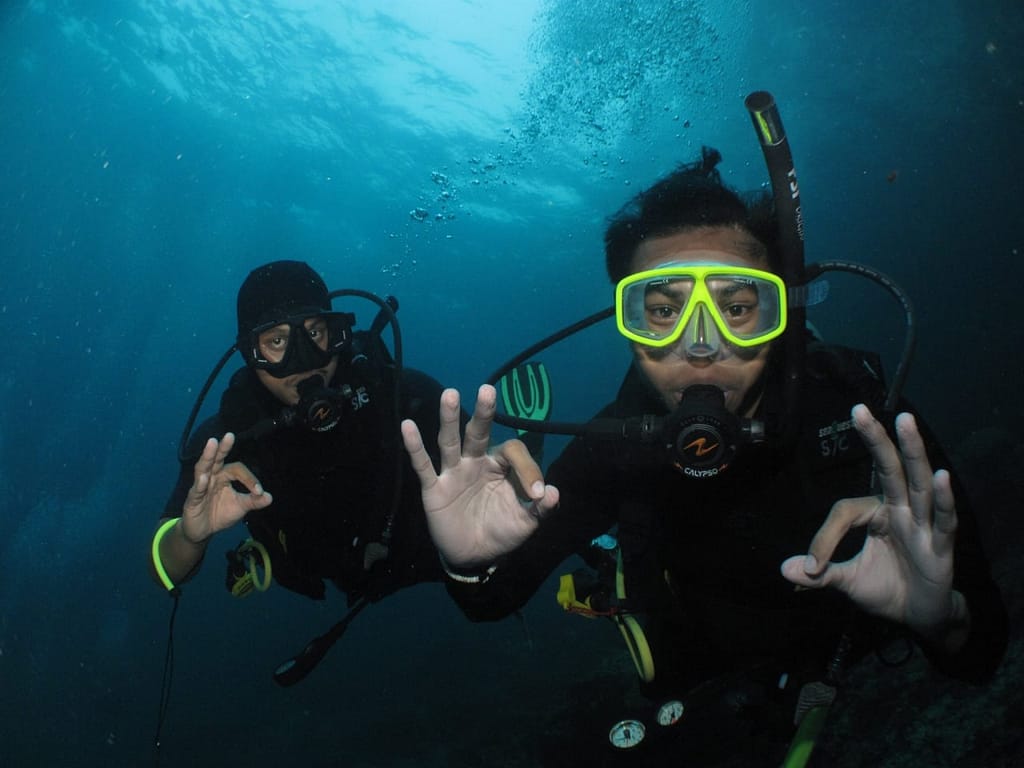
If you love the tiny and the strange, Mabul is a paradise for macro diving. This is where you can spend an entire dive hovering above a single coral head and never run out of things to photograph.
On one of my dives, I spent about twenty minutes just observing one small patch of reef. In that time, I spotted two types of nudibranchs, a pipefish that looked like a strand of seaweed, and a crab so well camouflaged it took me several minutes to even realise it was there. This is the kind of diving where slowing down really pays off.
Some of the top sites for macro life include Froggy Lair, Paradise 1, and the Mabul House Reef. These areas are known for unusual creatures like frogfish, ghost pipefish, flamboyant cuttlefish, and ornate shrimp. You might also come across harlequin crabs, porcelain lobsters, or even the elusive blue-ringed octopus if you are lucky.
For the best visibility and critter activity, early morning dives are usually ideal. Overcast days can also bring out more marine life, as some species tend to be more active when the light is diffused.
If you are diving with a camera, bring a dive torch to highlight colours and details, especially under ledges or between coral crevices. A red filter can also help your shots pop, especially if you are shooting video or struggling with colour loss at depth.
What a Typical Dive Day in Mabul Looks Like
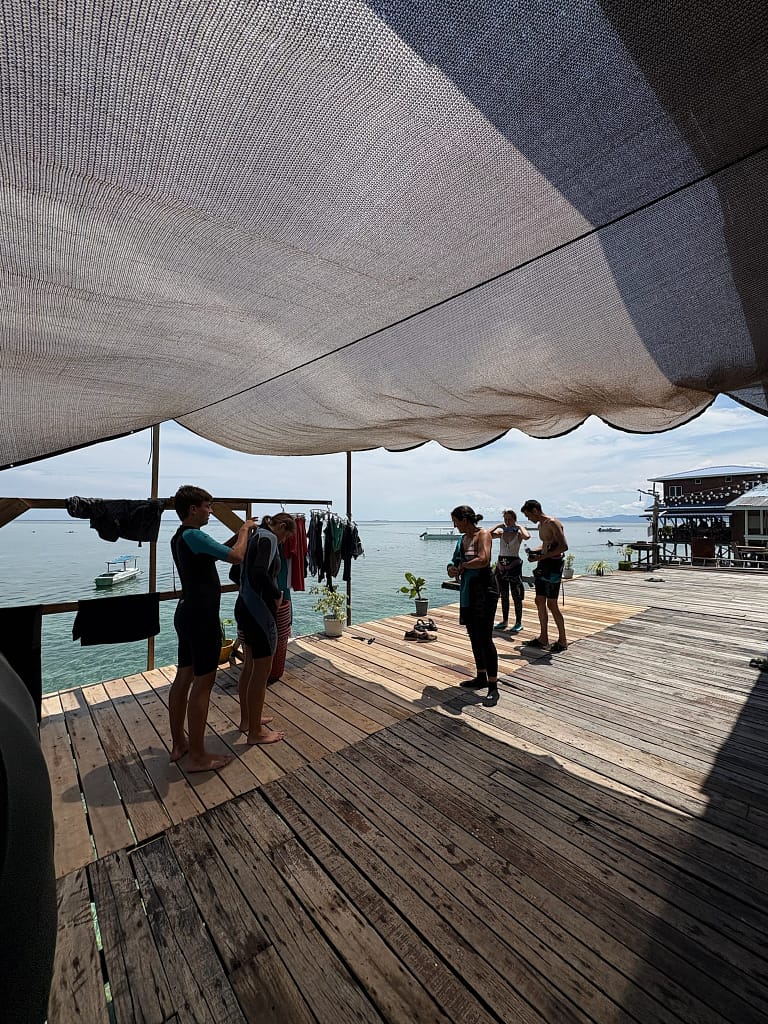
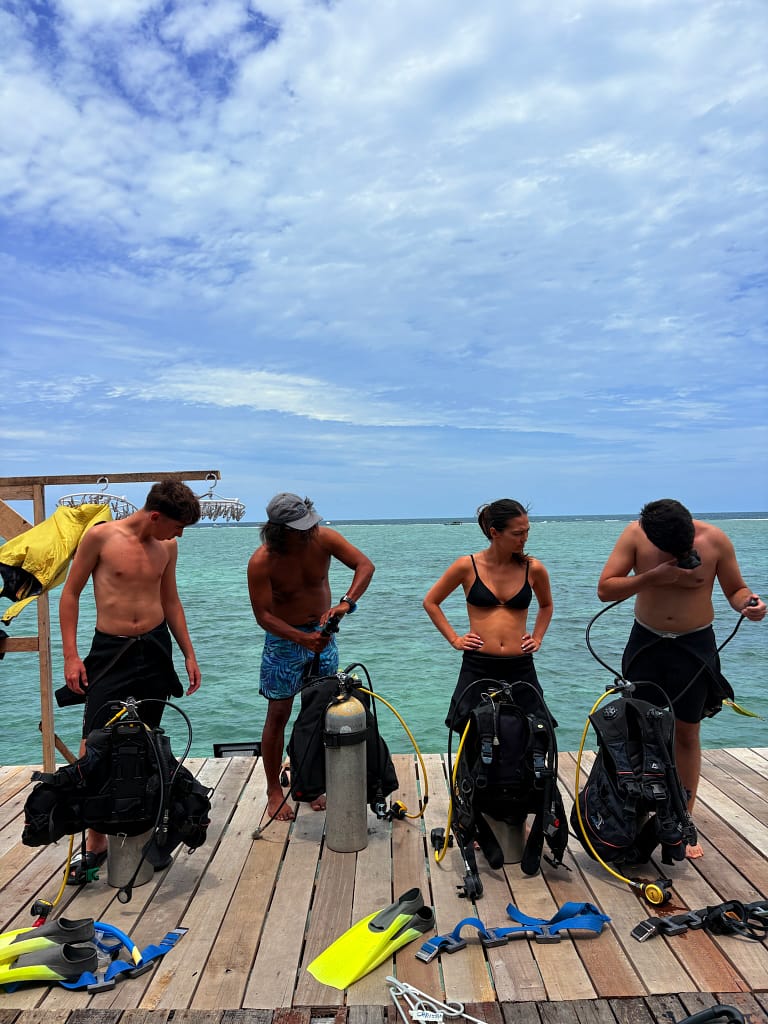
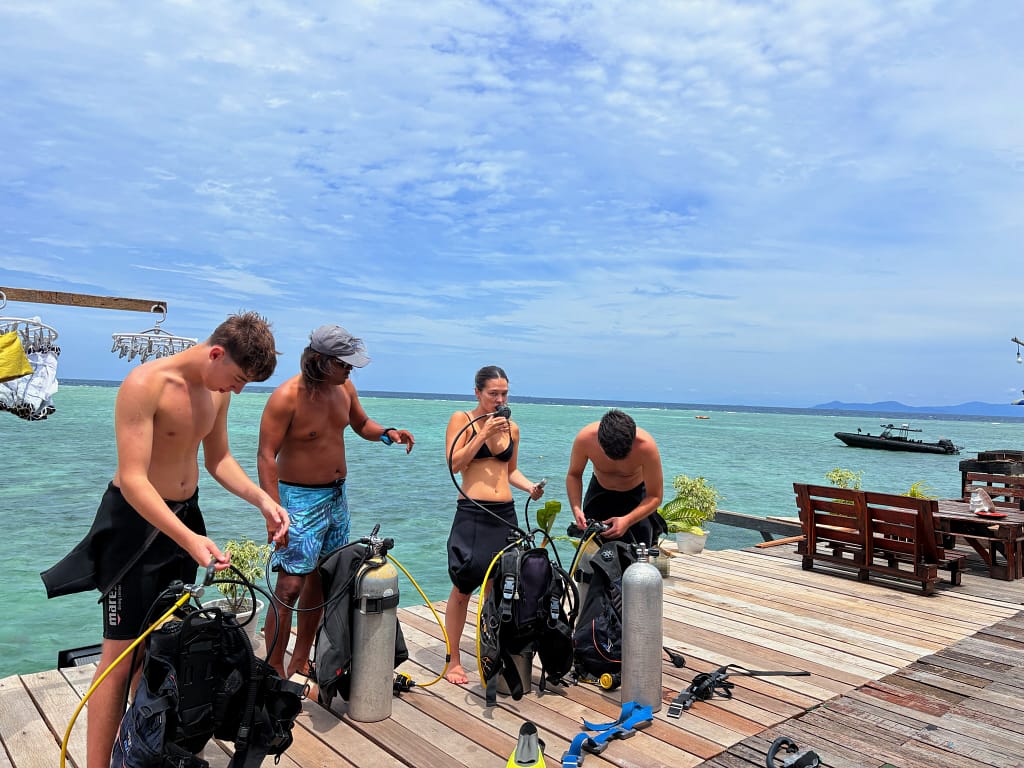
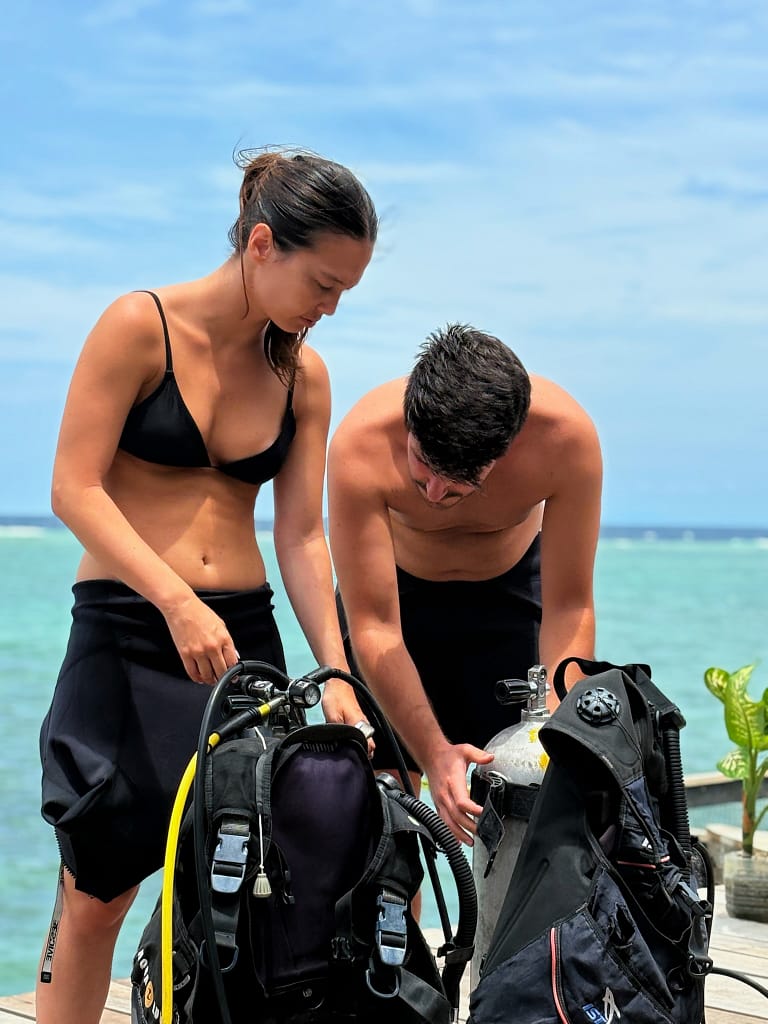
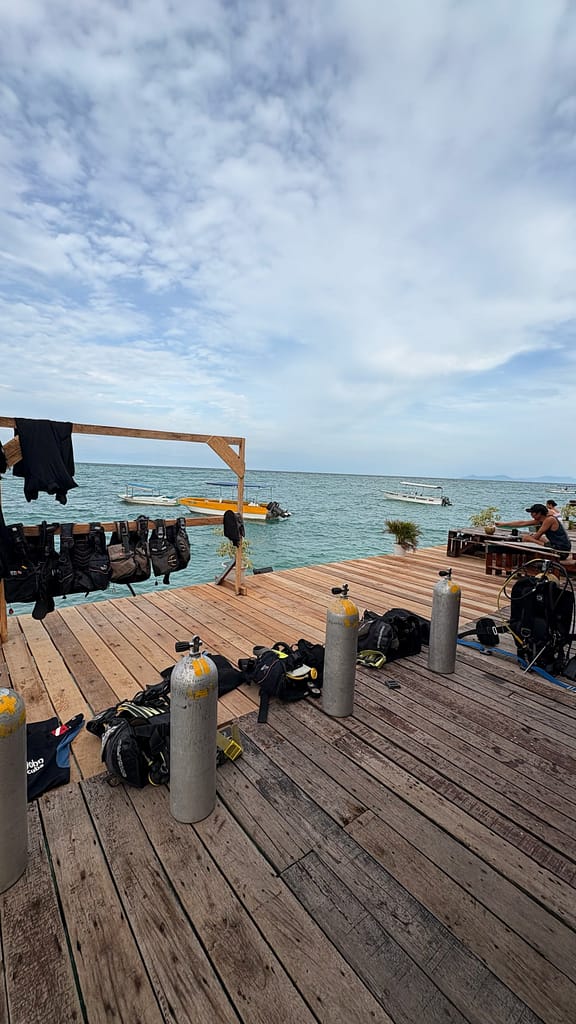
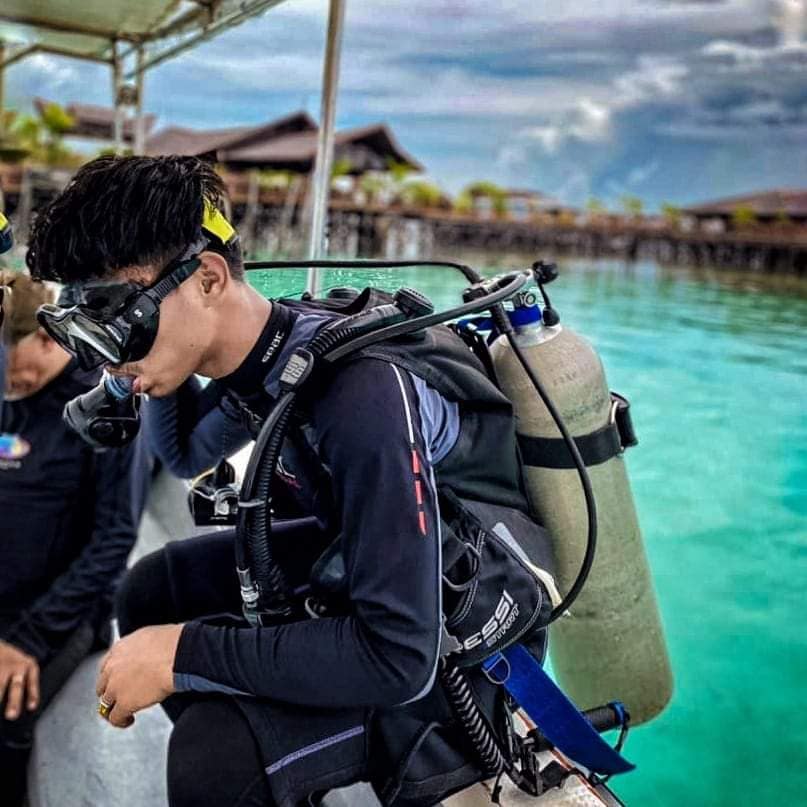
A dive day in Mabul moves at a calm and easy pace. Most mornings begin with a short briefing at the dive centre, followed by the first dive of the day. The boat ride is usually just five to fifteen minutes, which means you spend more time in the water and less time getting there.
After surfacing, there’s a chance to dry off, enjoy a warm drink, and chat with your dive buddies while taking in the view. Most dive centres organise two or three dives a day, depending on weather, tides, and the group’s experience. Some even ask for your input when choosing the next site, especially if there’s a favourite you want to return to.
What I enjoyed most was how unhurried everything felt. There were no tight schedules or pressure to rush. Just the sea, some sunshine, and a slow rhythm that made everything feel just right.
Tips for Enjoying the Dive Sites in Mabul
If you are diving in Mabul, think of it as slow travel under the water. There is no need to rush or chase big fish to enjoy what you see. Some of the best discoveries are tiny creatures such as a nudibranch tucked behind coral or a frogfish pretending to be a sponge.
Bring a rash guard if you tend to get cold. The water is warm but after your second or third dive you might feel a chill, especially on overcast days. A small dive torch helps you spot shy critters hiding in crevices or under wrecks. If you enjoy photography, that extra light makes colours stand out beautifully.
Most importantly, treat the reef with care. Do not touch the coral even if it seems tempting to steady yourself. Use reef safe sunscreen so you do not harm marine life without realising it. Take your time and look closely. The slower you move, the more life you will notice, even in a small patch of sand.
When Is the Best Time to Dive in Mabul?
You can dive in Mabul any time of year, but some months do stand out. Clearer water usually starts as early as March and can stretch through the middle of the year. In our experience, April to Jun often offers the best visibility, with calm seas and sunny days. By August and September, the water can get a little choppy depending on the weather, but diving still goes on. The rainy season typically runs from November to February, which may reduce visibility slightly, but most dive trips continue as usual. Water temperatures hover between 28 and 30 degrees Celsius all year, so it’s always warm enough to dive in just a rash guard or short wetsuit.
Final Thoughts
Mabul might not have the towering drop-offs or thrill dives that Sipadan is known for, but it offers something just as special in a quieter, more personal way. This is where you learn to slow down and really see the reef. A bright nudibranch crawling across a coral branch. A tiny seahorse tucked into the soft reef. A turtle gliding peacefully past your mask. Each dive feels like a small discovery.
Whether you’re just getting started or searching for rare marine life, Mabul has something to offer. And the best part? Most dive sites are just a short boat ride from your resort.
Ready to dive in? Book your Mabul adventure with The Borneo Nomads and let us show you all our favourite underwater spots, even the ones that don’t always make it onto the map.
This post was written by Irfan, from The Borneo Nomads team
We share stories from our own experiences and invite local voices to keep things real, helpful, and grounded in the places we know best.


