Can Beginners Climb Mount Kinabalu? Here’s the Honest Answer
You have probably seen breathtaking photos of people standing at the summit of Mount Kinabalu with the sunrise behind them. But if you have never done a serious hike before, you might be wondering whether you could actually do it yourself.
Mount Kinabalu is one of Southeast Asia’s most popular trekking destinations, and for good reason. It is the highest peak in Malaysia and attracts travellers from all over the world, including first-time hikers looking for a real challenge.
So, can a beginner really climb Mount Kinabalu? This post gives you an honest look at what to expect and how to prepare, especially if you are not a seasoned trekker but still want to experience something unforgettable.

What Makes Mount Kinabalu Achievable for Beginners
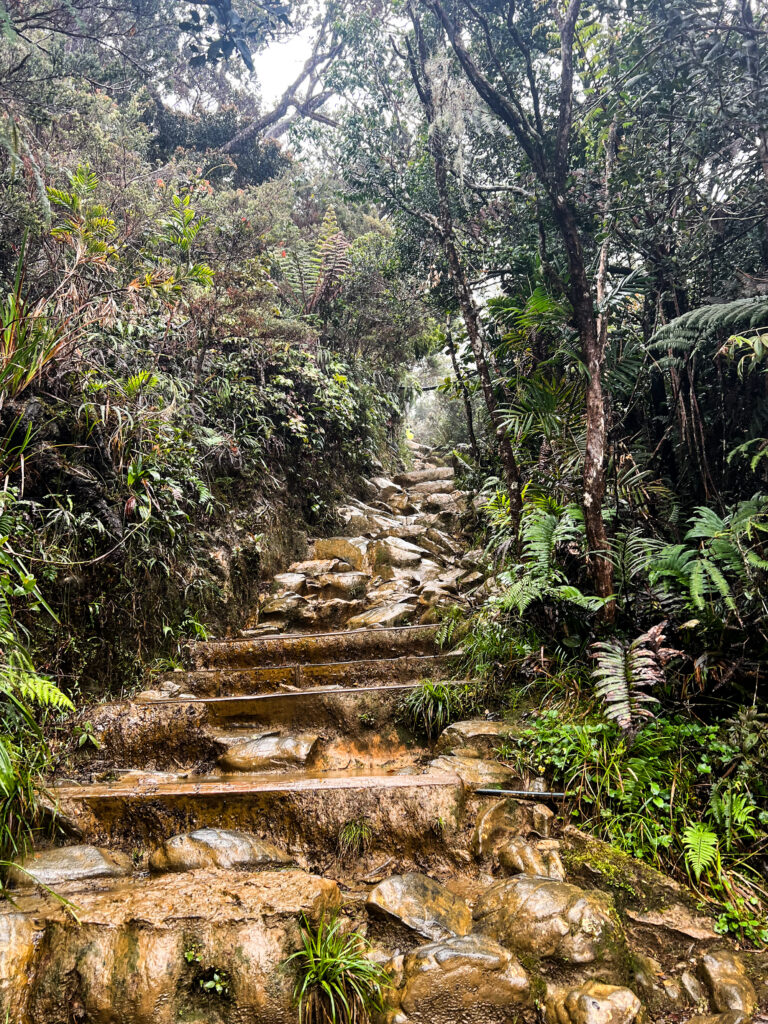
Mount Kinabalu may be the tallest peak in Malaysia, but many first-time hikers have successfully reached the summit. One of the reasons is the well-maintained trail that guides you through the mountain with clear signage and steps in some parts.
All climbers are required to be accompanied by licensed mountain guides. This adds a strong layer of safety and support, especially for beginners who may be unfamiliar with high-altitude trekking.
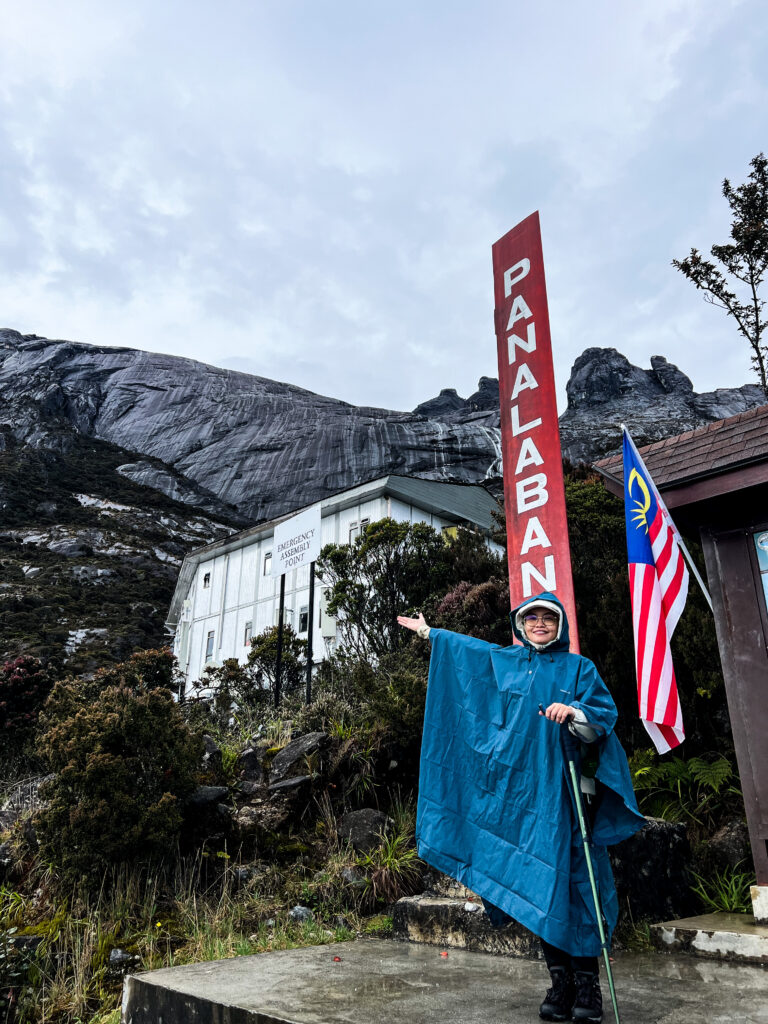
The climb is broken into two days. Most people spend the night at Panalaban, which gives the body a chance to rest before the final push to the summit. You do not need to carry your own sleeping gear or food, as meals and accommodation are arranged as part of your package. Porters are also available if you prefer to hike light.
Challenges Beginners Should Expect
While Mount Kinabalu does not require technical climbing skills, it can still be physically demanding, especially for beginners. One of the main challenges is the high altitude. As you climb higher, the air gets thinner, which can make breathing more difficult and cause fatigue to set in faster than usual.
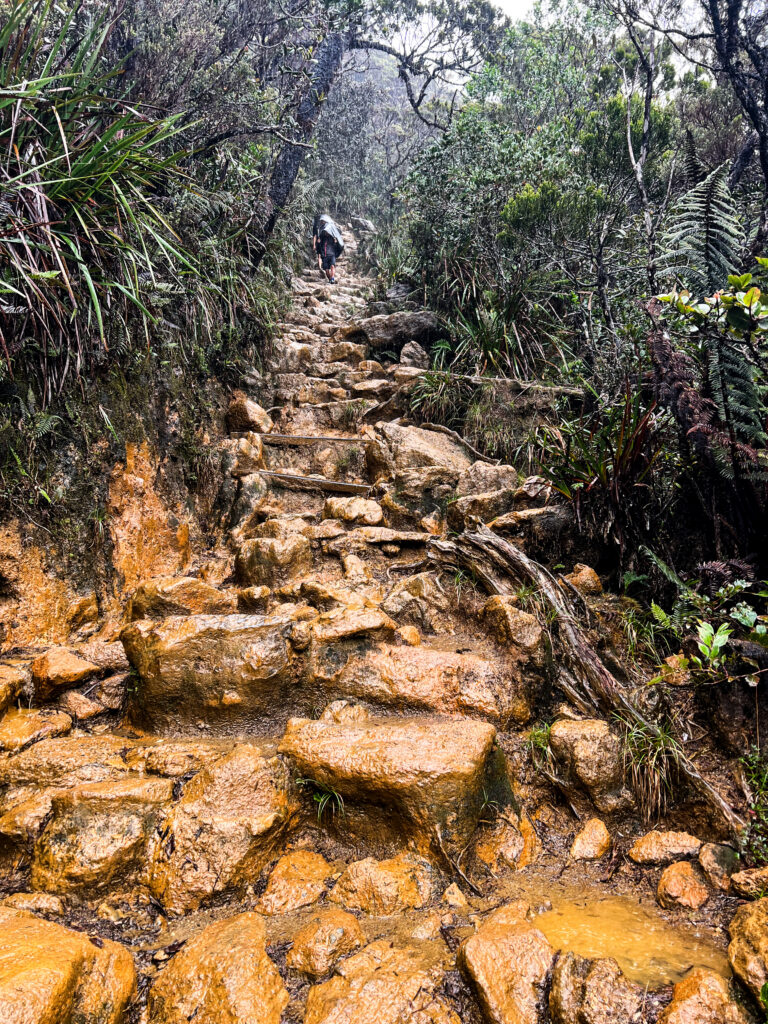
The trail also includes steep stretches that require stamina and steady pacing. Expect long hours on your feet, especially during the summit day. Many first-time climbers are surprised by how tough it feels after the first few hours.
Another thing to prepare for is the weather. Conditions can change quickly on the mountain. You might start in warm sunshine and end up facing strong wind or cold rain. Dressing in layers and being ready for all types of weather is important.
Most climbers sleep at Panalaban before starting the summit climb around two in the morning. The early start and excitement often make it hard to sleep well, so you may be running on adrenaline and determination for the final stretch.




Fitness Requirements and How to Prepare
You don’t need to be an athlete to climb Mount Kinabalu, but a decent level of fitness will make the experience much more enjoyable. If you can walk uphill for a few hours without feeling too exhausted, you’re off to a good start. Basic stamina, steady pacing, and strong legs will help you get through both days of the climb.
To prepare, start training at least three months before your climb. Focus on building leg strength, cardio endurance, and general fitness. Hiking local trails, climbing stairs regularly, or doing brisk uphill walks can help. If you live in a flat area, even treadmill incline training or stair machines can make a difference.
Don’t forget the mental side of it. Be ready for moments of discomfort, whether it’s from tired legs, chilly air, or an early morning wake-up. Keeping a positive mindset, listening to your guide, and pacing yourself are just as important as physical strength.
Beginner Stories and Honest Reflections
When I climbed Mount Kinabalu, it was my very first hike and I had little confidence at the start. I only went ahead because my friends encouraged me to keep the plan. Looking back, I wish I had trained consistently for at least three months before the climb, giving it my all. Even though the track itself is well-maintained, it felt long and tough for a beginner. The final stretch of two kilometres before Panalaban was the hardest part, especially when the rain began to pour. I kept reminding myself to stay steady, take one step at a time, and never stop moving. Eventually, I made it to the lodge.
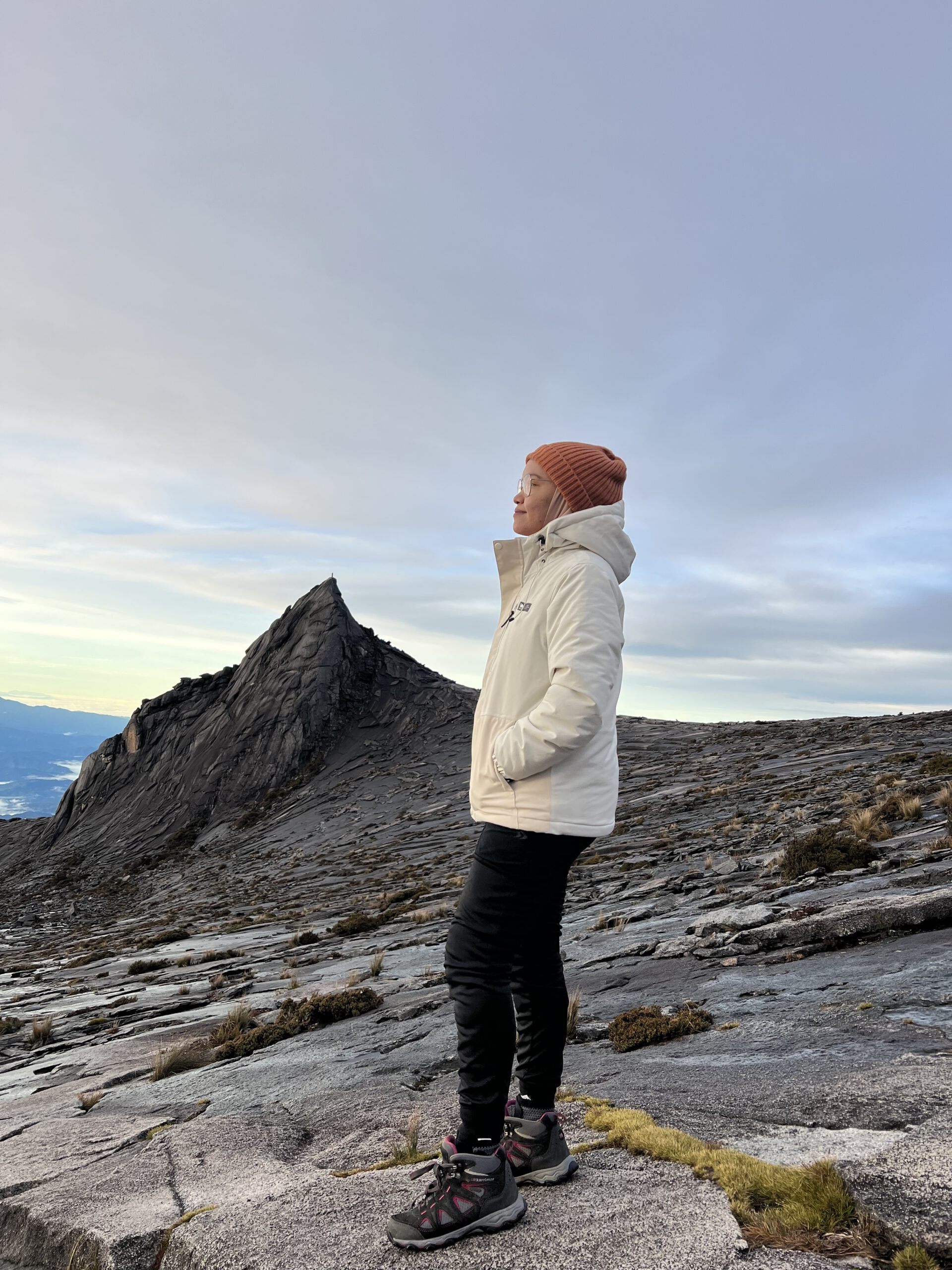
The summit push was even more challenging for me. Hiking in the cold and dark with only a headlamp, I faced steep granite slopes that tested my stamina and mindset. With persistence and the constant support of our mountain guide, I reached Low’s Peak and felt an incredible sense of accomplishment. The descent was also demanding, and I strongly recommend using two hiking poles for better support on the knees.
For beginners like me, the journey was far from easy, but it proved that with the right mindset, steady pacing, and encouragement, reaching the top of Mount Kinabalu is absolutely possible.


What to Pack and Expect
If you’re a first-time climber, packing smart can really shape your Mount Kinabalu experience. The key is to pack light but bring the right essentials.
Start with clothing that works well in layers. The temperature can shift quickly as you climb higher, so it helps to have a moisture-wicking base, a warm mid-layer, and a waterproof outer layer. A headlamp is important for the early morning summit push, and gloves are a must once the cold sets in. Bring a few energy snacks that are easy to carry and give you a quick boost when you need it most.
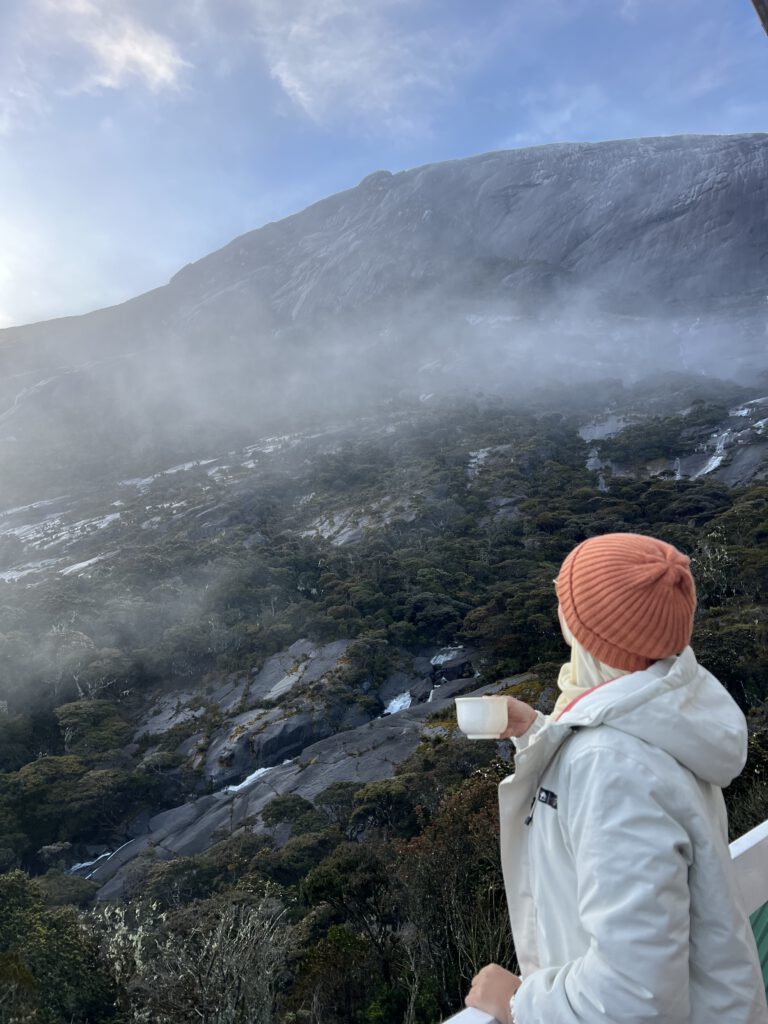
At Panalaban, the lodges are simple but clean. Expect dorm-style beds with blankets and basic amenities. Meals are usually served buffet-style and cover the essentials, especially for energy recovery after your hike.
You don’t need to overpack, but do make sure you’re prepared for both warmth and comfort. A small backpack with the right gear will go a long way on this climb.
Is It Safe for Beginners?
Mount Kinabalu is considered one of the safest high-altitude climbs in Southeast Asia, especially for beginners who come prepared. All climbers must be accompanied by licensed mountain guides, which means you’re never alone on the trail. These guides are experienced and trained to handle different situations, from spotting signs of altitude sickness to helping you pace yourself.
Along the way, there are checkpoints and ranger stations where climbers check in and can rest. This adds an extra layer of safety and ensures that everyone is accounted for throughout the journey.
Since the climb includes an overnight stay at a mountain lodge, you do not need to worry about sleeping in a tent or being exposed to the weather for long periods. The lodges offer shelter, meals, and basic comfort, making it easier for first-timers to rest and recover.
In the end, your own preparation and mindset play a big role. You do not need to be an expert trekker, but being physically ready and mentally steady will help you enjoy the experience and stay safe.
So, Can a Beginner Really Climb Mount Kinabalu?
The short answer is yes. Many beginners have done it, and you probably can too if you are willing to prepare properly and pace yourself. You do not need to be an ultra fit athlete, but you should have enough stamina to walk uphill for several hours and stay positive even when it gets challenging.
The climb is not technical, which means you do not need ropes or climbing skills. But it is physically challenging, especially at higher altitudes where the air gets thinner. If you are someone who avoids exercise or struggles with stamina, you might find it overwhelming without training.
That said, if you start preparing a few months before, listen to your guide, and take it one step at a time, this climb can be one of the most rewarding things you’ll ever do. Many beginners say it was the highlight of their trip to Sabah.
Ready to Take the First Step?
If climbing Mount Kinabalu is on your mind, check out our climbing packages designed to help you get there with confidence. We’ve done it ourselves, and we’ve helped many others do the same.
Need help preparing? Explore our other helpful guides, including how to train for the climb, what to pack, and what to expect along the way.
Whether you’re just curious or ready to book your trip, we’re here to make your Mount Kinabalu experience a rewarding one.