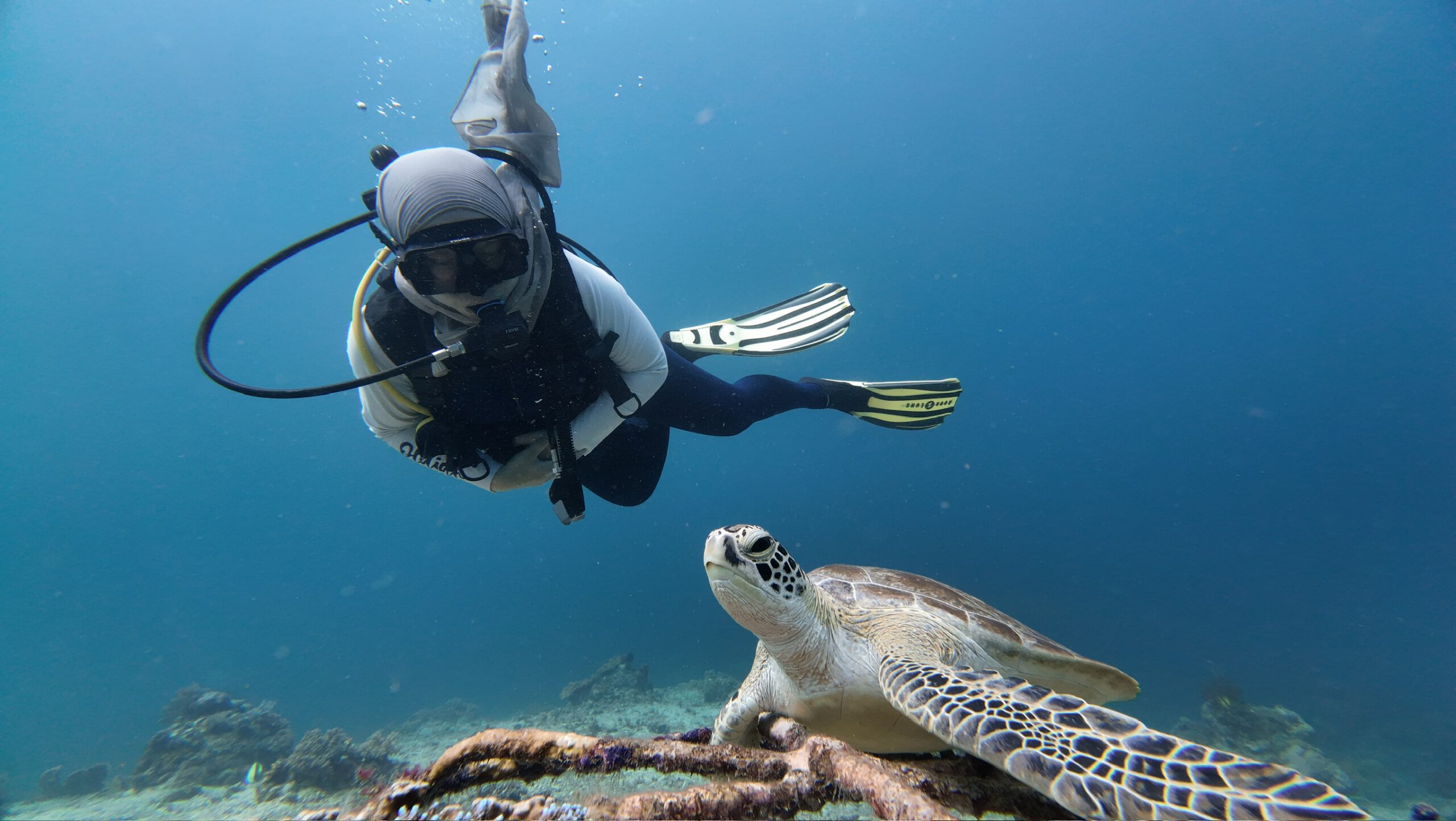
Try Scuba Diving in Mabul Without Any Certification
Ever watched people scuba dive and thought, “I could never do that”? The equipment looks heavy, the idea of breathing underwater feels strange, and maybe you’re not sure you’d stay calm. I understand completely because I felt exactly the same.
My first scuba try was back in 2019 on Mabul Island in Sabah. I went in nervous and unsure, but it turned out to be one of the most memorable things I’ve ever done. If you can breathe and you love the sea, you can give it a go too.
In this guide, I’ll share how Discovery Dives work in Mabul. They’re designed for first-timers. You don’t need any previous experience or a licence. All you need is an open mind, a bit of curiosity and a willingness to see the underwater world from a whole new perspective.
What Is a Discovery Dive?
A Discovery Dive, sometimes called a Try Dive, is usually the very first step for anyone curious about scuba diving. You do not need a licence, and you do not even need to know how to swim, although being comfortable in water definitely helps.
It is a short, beginner-friendly session where you will:
- Get a quick, simple briefing about how the scuba gear works
- Practice breathing underwater in shallow water with your instructor
- Go on a slow, guided dive (usually around five to twelve meters deep)
- Use all the provided equipment so you do not need to bring anything extra
- Be accompanied the whole time by a certified instructor who is there for you
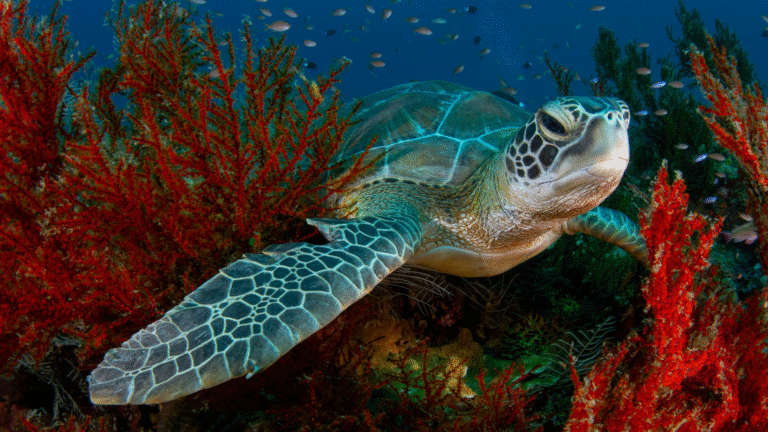
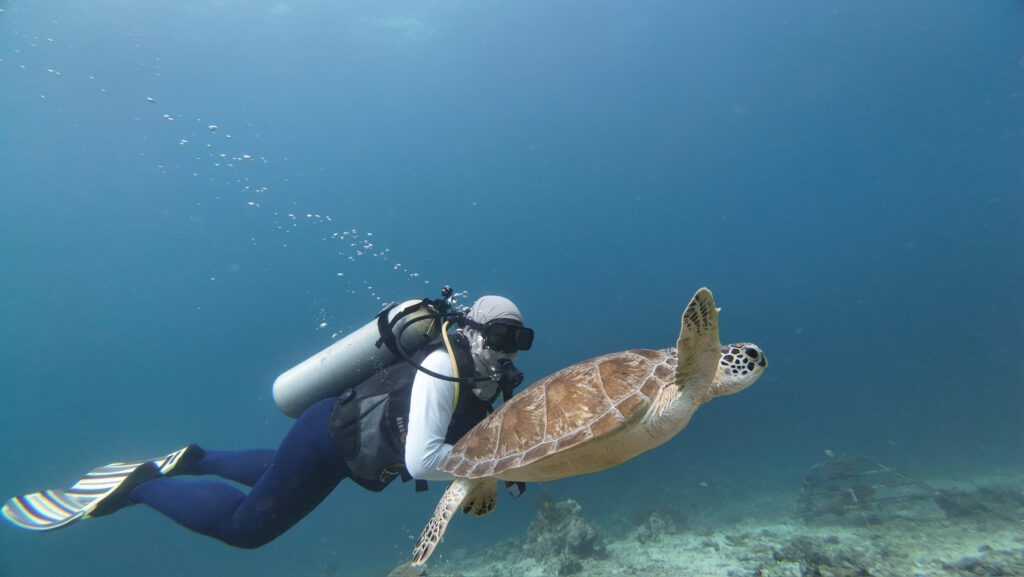
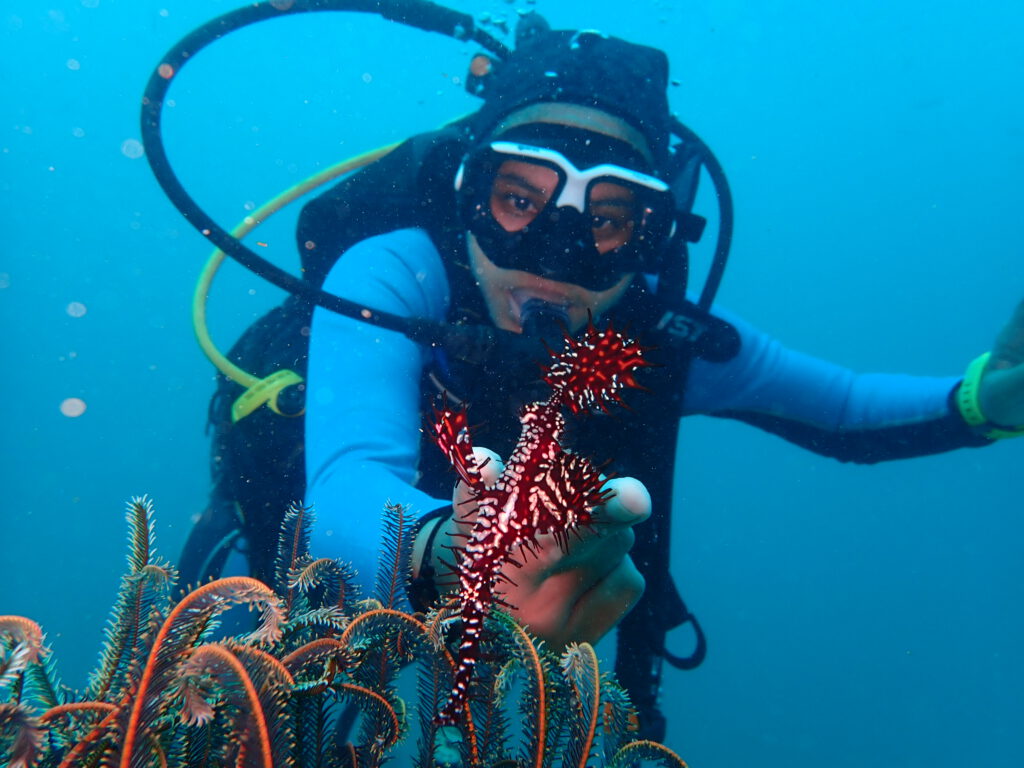
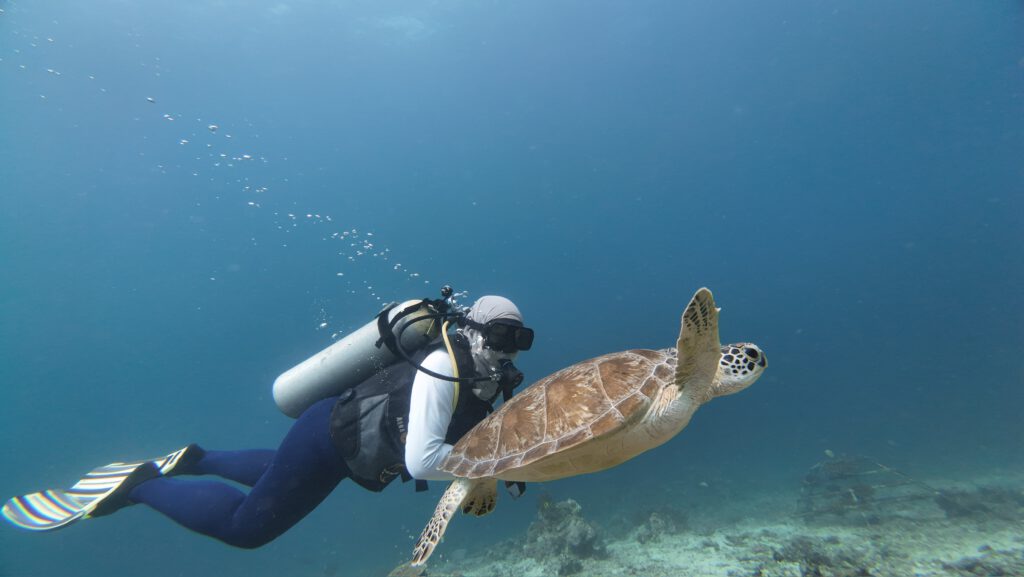
It typically takes just half a day. There are no tests and no pressure. It is simply you breathing underwater and exploring the reef for the very first time. Most people even spot sea turtles on their first dive.
I still remember my own Discovery Dive in Mabul back in 2019. It was my very first time trying scuba. Honestly, I was not sure if I would like it. But the moment I got underwater, after that initial strange feeling of adjusting to breathing, I realised this is something I want more of. I ended up signing up for my Open Water license soon after.
That is why I really recommend giving this a go. It helps you figure out if scuba diving is your thing without committing to a full course.
You do not have to stress when you are underwater. Think of your guide like your driver and you are just the passenger. They will handle the gear, the air and everything technical. Your job is to stay calm and enjoy the experience.
The first few minutes might feel a bit strange. Once you get the hang of it, there is an amazing feeling that comes with realising you have just faced a fear and come out smiling.
Why Mabul Is Perfect for Beginners
Mabul is not just the gateway to Sipadan. It is a wonderful diving destination on its own, especially if you are new to scuba. This little island is often where people fall in love with diving for the very first time.
Here are a few reasons why Discovery Dives in Mabul are so popular with beginners.
- The water is shallow and calm. You will not have to deal with strong currents, and the sandy bottom gives you extra comfort.
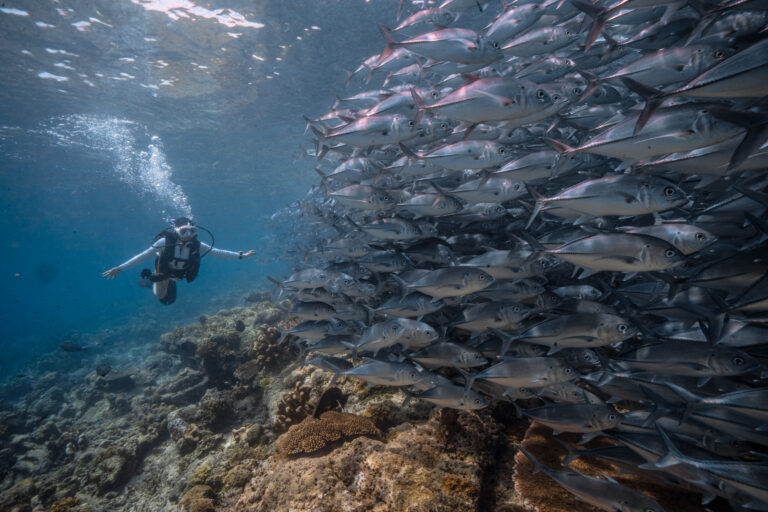
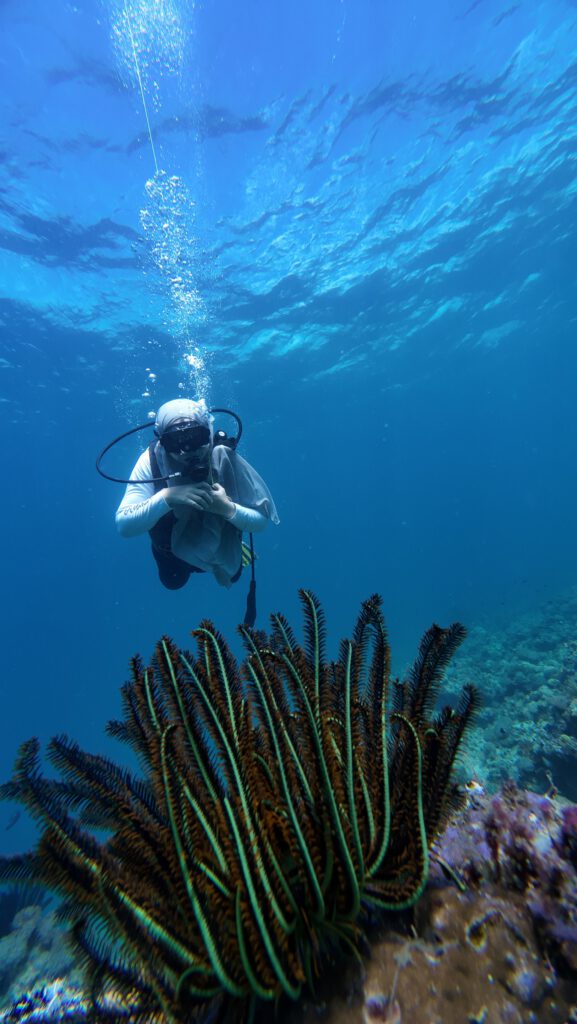
- The marine life is vibrant and easy to spot. You might see clownfish, lionfish and all kinds of soft corals. It really does feel like you are swimming through a living reef.
- The sea is warm and tropical. You can dive in light gear without the shock of cold water.
- The dive teams here are friendly and welcoming. Most of the instructors have guided hundreds of first-time divers and know how to keep things simple and relaxed.
- It is also much more affordable than learning to dive in other places like the Maldives.
If you can, try going for a morning dive. The water is usually clearer, and it is a little quieter before the day’s activities begin.
What Happens on a Discovery Dive (Step by Step)
If you’re wondering what a Discovery Dive actually looks like from start to finish, here’s a simple walk-through based on how most operators do it in Mabul.
Start with a short briefing
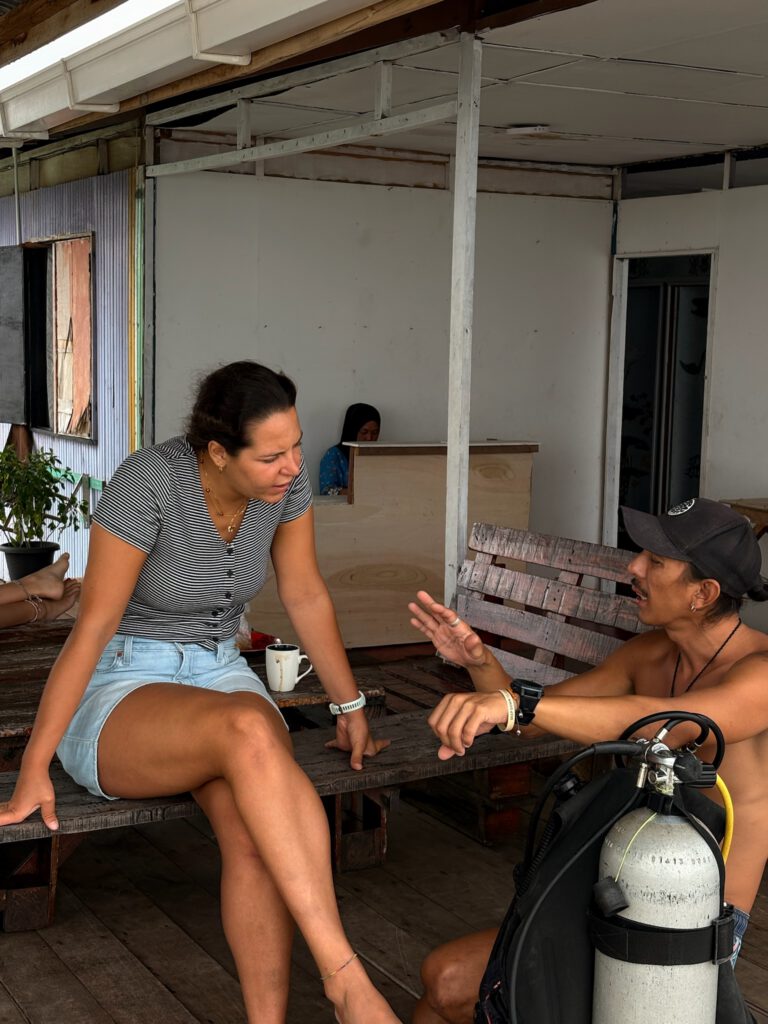
You’ll fill in a basic health form and chat with your instructor about what to expect. They’ll walk you through the essentials in plain language, nothing too technical.
Getting your gear on
The instructor will help you suit up with your BCD (that’s the scuba jacket), fins, mask, and tank. Don’t worry if you’ve never seen this stuff before. They’ll make sure everything fits right and feels good.
Practice in shallow water
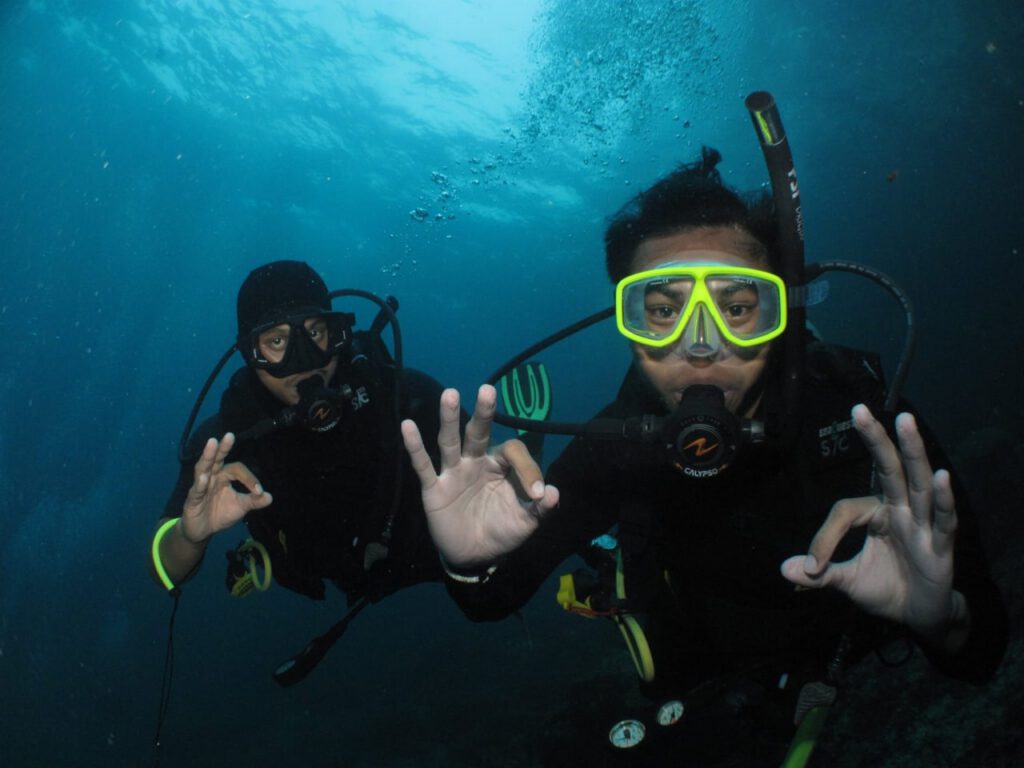
Before heading out, you’ll get used to the gear in waist-deep water. You’ll learn how to breathe through the regulator, clear your mask if water gets in, and use simple hand signals.
Time to dive
Once you’re feeling okay, you’ll go underwater together. It’s not rushed. You’ll go down slowly, always with your instructor by your side. Most dives last around 30 to 45 minutes depending on how you’re feeling.
Back to the surface
After the dive, you’ll probably feel proud and surprised at what you just did. Some dive centres might even take a few underwater photos or videos for you. You’ll talk about the fish you saw, maybe laugh about how nervous you were at first, and for many people, this is the moment they decide they want to dive again.
And don’t worry, you are never left alone. Most Discovery Dives are done one-on-one or two-on-one with an instructor. Your only job is to stay calm and enjoy the moment.
What to Bring and How to Get Ready
Getting ready for a Discovery Dive is easy. You do not need to bring much, and the dive centre will handle the rest for you.
Pack your swimwear, since you will wear it under the wetsuit provided. A towel and a set of dry clothes will come in handy after your dive.
Avoid applying sunscreen before getting in the water. It can harm the coral. If you are concerned about sun protection, a long-sleeved rash guard is a good alternative.
Another thing to remember is the timing of your flights. You should avoid flying for at least 18 hours after your dive, so be sure to plan ahead if this is near the end of your trip.
There is no need to bring any diving equipment or have prior experience. Everything you need, from the mask and fins to the wetsuit and tank, will be given to you. You also do not need a license to take part.
If you are unsure about your fitness level, do not worry. As long as you are in basic good health and feel comfortable moving around in the water, you are all set.
Common First-Time Fears (And Why You’ll Be Okay)
It is totally normal to feel nervous before your first dive. Most people do, including me. But here is why you really do not need to worry.
“What if I cannot breathe?”
You will practise first in shallow water. Breathing through the regulator might feel strange at first, but after a minute or two, it becomes surprisingly calming.
“What if I panic underwater?”
Instructors are trained to handle this. You will learn how to stop, breathe, and use simple hand signals. And the best part is, your instructor is always right beside you, ready to help at any moment.
“But I am not a good swimmer!”
You actually do not need to be. The scuba gear helps you float, and your instructor will be the one managing the dive. Think of it like being a passenger with a very experienced guide leading the way.
From my own experience, I almost changed my mind just before going in. I felt unsure and my nerves kicked in. But once I was underwater, all that fear disappeared. I was too amazed by everything around me, especially the moment I saw a turtle gliding past as if it had all the time in the world.
Discovery Dive versus PADI Open Water Course
If you are unsure which option is right for you, here is how they differ in simple terms.
A Discovery Dive is a short half-day experience. It is designed for complete beginners who want to try scuba diving without committing to a course. You do not get a certification, and you will always dive with an instructor right beside you. It is best for first-timers or travellers who are curious to see if they enjoy the underwater world.
The PADI Open Water Course is more in-depth. It usually takes three to four days. At the end you receive a globally recognised certification. Once you complete it, you can dive independently with a buddy anywhere in the world. This option is best for people who know they want to dive regularly or plan future diving adventures.
Many people start with a Discovery Dive to test the waters. If you enjoy the experience, you can upgrade to the Open Water Course later and continue your diving journey right away.
Book Your Discovery Dive with The Borneo Nomads
If you’re planning to try scuba diving in Mabul for the first time, you’re already in the right place. At The Borneo Nomads, we make it easy for beginners to experience the underwater world safely, comfortably, and with zero stress.
Our Discovery Dive add-on is available as part of our Mabul Island package. Everything is arranged for you. Your dive slot, the instructor, the equipment, and the boat ride. All you need to do is show up, listen to the short briefing, and take that first breath underwater.
We work closely with experienced, certified local dive instructors who know how to guide first-timers with care and patience. Most of our guests are surprised by how easy it feels once they’re in the water.
Whether you’re travelling solo, with your partner, or in a small group, we’ll make sure your Discovery Dive is one to remember.
What’s included with our Discovery Dive add-on:
- Guided boat dive (usually around 30–45 minutes underwater)
- Full dive equipment (BCD, tank, mask, fins, wetsuit)
- Safety briefing and shallow practice session
- Instructor by your side throughout the dive
- Optional photos or videos (subject to operator availability)
Final Thoughts
Trying a Discovery Dive in Mabul might surprise you in the best way. It is more than just seeing colourful fish or coral up close. It is about stepping out of your comfort zone and realising you can do something you once thought was impossible.
You do not need to be a strong swimmer or an adrenaline junkie. Just bring an open heart and a bit of courage.
Take that first breath underwater. Trust your guide. And enjoy every moment under the sea.
This post was written by Syarifah, from The Borneo Nomads team
We share stories from our own experiences and invite local voices to keep things real, helpful, and grounded in the places we know best.